Reviewed · WORKSHOPS
Santiago Island: Banana Plantation, Natural Park & Workshop with a local family
A plantation walk can open Cape Verde wide. This four-hour trip from Praia combines a shaded banana and coconut plantation, a scenic inland drive, and hands-on cooking with a local family. I like the mix of everyday island life and practical food traditions, rather than a tour that only points at scenery. I also like the small maximum group of eight, which should give you more time with the guide.
The visit to the plantation is a strong feature, especially if you want to see how fruit is grown in Cape Verde. The cooking session with Mama Luisa’s family is the other highlight, since you make cuscuz and fidjós from scratch. The main consideration is that this is a compact tour, so the plantation walk and cooking class each have a fixed time. If you want a long nature walk or a full cooking course, this will feel brief.
In This Review
- Key points to know before booking
- Leaving Praia for Santa Cruz
- Walking through Cape Verde’s largest banana and coconut plantation
- Meeting a local family in São Lourenço dos Órgãos
- What the small group changes
- Is $87.14 a fair price?
- How the timing works from start to finish
- What to bring and what to expect
- Who will enjoy this Santiago Island experience?
- Should you book it?
- FAQ
- Where does the tour begin?
- How long does the experience last?
- How many people can join the group?
- Can I book a private tour?
- What happens at the banana plantation?
- Is coconut water included?
- What food do I make with the local family?
- What should I bring?
Key points to know before booking
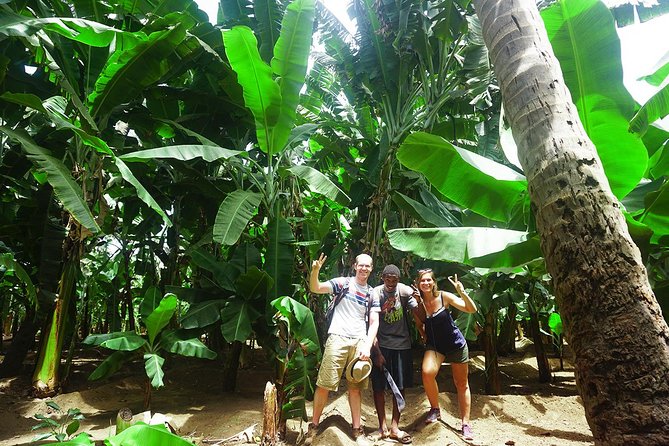
- The plantation visit lasts about one hour: Walk among banana and coconut fields while a local guide explains the fruits and plants growing along the route.
- The cooking session lasts two hours: Prepare cuscuz, a traditional corn flour cake, and fidjós, fried banana mixed with wheat, with a local family.
- Pickup is included from Praia hotels: The day begins at 9:00 a.m. and ends with drop-off at your accommodation.
- The group is limited to eight people: You can also upgrade to a private tour if you want a more personal outing.
- Local guides receive especially warm praise: Guides named Ricardo, Katia, Ayrton, and Cleber have been singled out for their care, friendliness, and cultural guidance.
- Bring simple sun protection: Comfortable clothes, a hat, water, and sunscreen are specifically recommended. Fresh coconut water may be available for purchase.
Leaving Praia for Santa Cruz
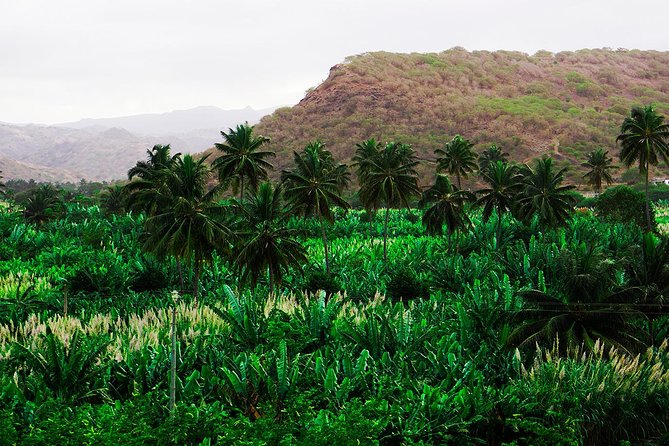
Your morning begins with pickup at your hotel in Praia at 9:00 a.m. From the capital, the vehicle heads inland toward Santa Cruz, with the first drive taking about 30 minutes. The tour then continues toward Pedra Badejo and São Lourenço dos Órgãos before returning to Praia.
That transfer matters because the experience is not confined to the city. You get a short look at the changing surroundings between Praia and the inland agricultural areas without arranging a separate taxi or rental car. The route back passes between rocks and valleys, adding a scenic close to the day.
The transport is practical rather than a major sightseeing event in itself. The tour description does not specify the vehicle type or provide a detailed list of roadside stops, so you should think of the drive mainly as the link between the two main activities. Still, round-trip pickup saves effort, especially if you are based in Praia and want a half-day away from the city.
The four-hour length is well judged for a morning outing. You leave after breakfast, spend a meaningful amount of time outside the city, and return with much of the day still available. If your schedule includes an afternoon flight or another fixed activity, confirm the timing before booking, since traffic and pickup arrangements can affect the return.
A few more Praia trips to put side by side
- Santiago: Landscapes, Street Art, and Markets Day Trip
★ 4.8 · 316 reviews - From Port of Praia: Island Tour for Cruise Ship passengers
★ 4.5 · 190 reviews - Praia & Cidade Velha: Guided City Tour
★ 4.8 · 80 reviews
Walking through Cape Verde’s largest banana and coconut plantation
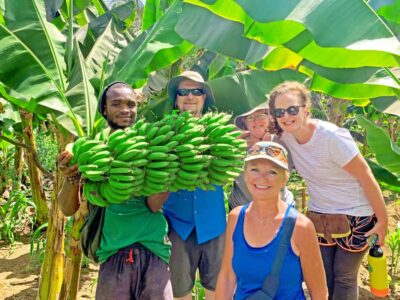
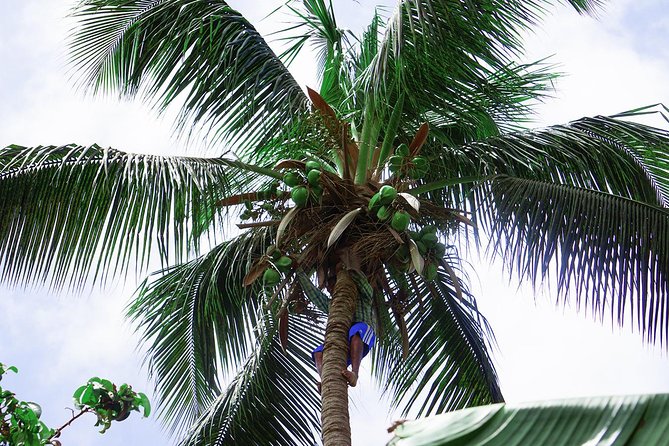
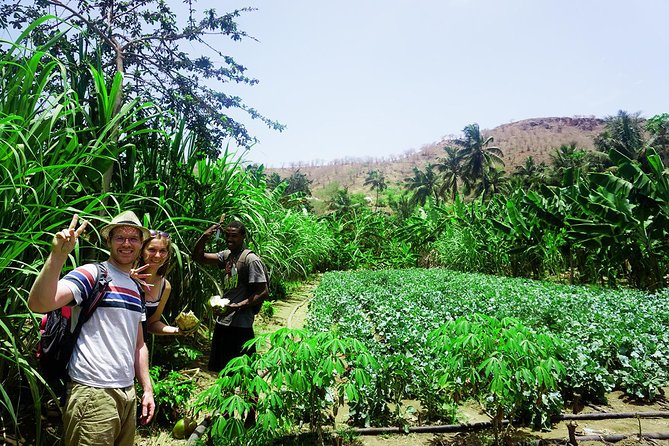
The first main stop is in Pedra Badejo, where you walk through the country’s largest banana and coconut plantation. The visit lasts about one hour, and the guide explains the different fruits and plants growing along the route.
This is more useful than simply seeing rows of crops from a road. You get a closer look at the agricultural side of Santiago Island and hear how local plants fit into daily life. The focus is on what grows here, how the fields look, and the variety of fruit found along the path.
The plantation also gives you shade. One German-speaking guest described the walk as a pleasant stroll in the shade of the banana plants and praised the guide for being attentive and informative. That detail is worth noting because Cape Verde can be sunny and dry, while the plantation offers a cooler setting for part of the morning.
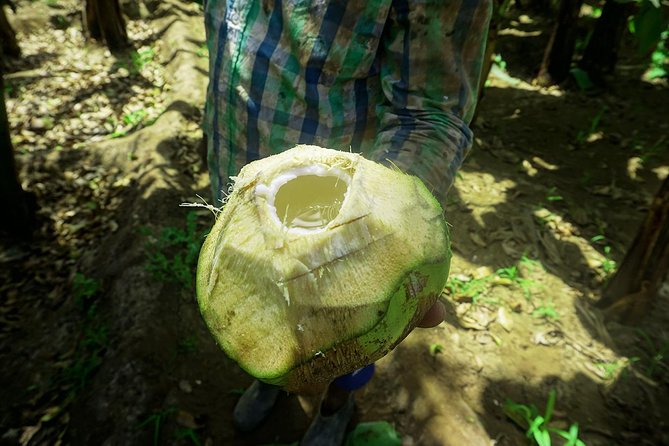
You may be offered fresh coconut water at your own expense if it is available. It is a small extra, but a sensible one during a walk through agricultural fields. Bring your own water regardless, since the coconut water is not guaranteed and is not included in the tour price.
Wear shoes and clothes suited to an outdoor walk. The provided advice calls for comfortable clothing, a hat, water, and sunscreen. The route is described as a walk inside the fields, but no details are given about its surface or level of difficulty. If you have mobility concerns, ask Bu Country Tours before booking.
Meeting a local family in São Lourenço dos Órgãos
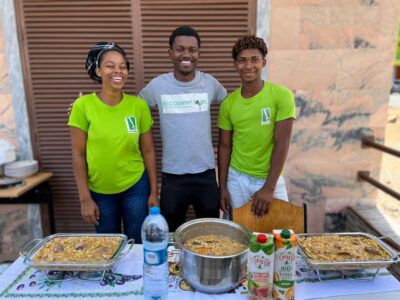
The heart of the experience comes next, in São Lourenço dos Órgãos. You visit a local family and spend about two hours learning to prepare traditional Cape Verdean food.
The dishes are cuscuz and fidjós. Cuscuz is a traditional cake made from corn flour. Fidjós is made with fried banana mixed with wheat. These are simple ingredients, but that is part of the appeal. Food traditions often tell you more about ordinary life than a formal museum display, and this session gives you something practical to remember after the tour.
The cooking is done from scratch, so this is not only a tasting stop. You take part in the preparation and learn how the dishes are made. The information provided does not give a step-by-step recipe or say how much food each person prepares, so expect a cultural workshop rather than a professional cooking class.
The family setting is a major strength. You are not only shown local food by a guide in a standard demonstration room. You enter a home environment and share time with people connected to the local community. The visit is built around conversation, preparation, and cultural exchange.
Mama Luisa’s home receives special praise in the available feedback. One Spanish-language experience was led by Katia, whose warmth and help during the visit were highlighted. Another account praised Ayrton, Cleber, and the trainee guides for creating a pleasant time of learning and cultural sharing.
Guide language may matter to you. Katia led one tour in Spanish, while the feedback also includes comments in German and Portuguese. The available information does not promise a specific language for every departure, so request your preferred language when booking if that is important.
What the small group changes
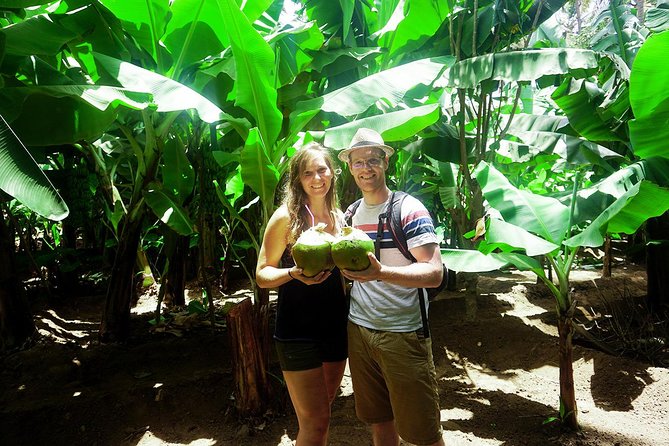
The maximum group size is eight people. That is small enough to make a real difference during a home visit and cooking activity. You have a better chance of hearing explanations, asking questions, and taking part without standing at the edge of a large group.
A small group is also helpful during the plantation walk. The guide can stop to explain a plant or fruit without trying to keep a crowd together. The tour highlights names such as Ricardo, Katia, Ayrton, and Cleber, with particular praise for the guides being friendly, attentive, and helpful.
You can upgrade to a private tour for a more personal outing. The supplied information does not state the private-tour price or exactly how the schedule changes, so compare the added cost before deciding. A private option makes the most sense if you want more control over the pace, have a specific language request, or are traveling as a family or close-knit group.
The group option should offer better value for solo visitors and couples. You still receive hotel pickup, the plantation walk, the family cooking session, and return transport, but you do not pay for an entirely private departure.
Another island, another kind of day entirely:
- Serra Malagueta: Principal Valley Hike & Lunch with Locals
★ 4.7 · 64 reviews - Praia: Baobab Mysterious Tree, Green Valley & Old City Hike
★ 4.8 · 53 reviews - Santiago: Calabaceira Valley Trek & Visit to Cidade Velha
★ 4.8 · 49 reviews - From Praia: Boat Trip, Snorkeling, Cave & BBQ on the Beach
★ 4.6 · 45 reviews
Is $87.14 a fair price?
At $87.14 per person, this is not the cheapest way to spend a morning in Santiago. The value comes from the number of elements packed into the price: round-trip transport from Praia, a guided plantation visit, a two-hour cooking workshop, and a small group capped at eight people.
You are paying for access and organization as much as for the activities. Reaching Santa Cruz, Pedra Badejo, and São Lourenço dos Órgãos independently would require transport planning, and a local family visit would be difficult to arrange on your own. The tour brings those pieces together in a single half-day.
The price makes more sense if you care about local food and culture. If you only want scenic views, you may find a dedicated nature outing more suitable. If you would rather spend the morning at the beach, the plantation and cooking focus may not justify the cost.
The tour is often booked 11 days ahead on average. That suggests you should not leave it until the last morning if your dates are fixed, especially since the group is limited to eight people. Free cancellation is available up to 24 hours before the start time, which gives you some flexibility. Changes or cancellations inside that window are not accepted for a refund, and the local cutoff time applies.
How the timing works from start to finish
The schedule is simple:
- 9:00 a.m.: Pickup at your Praia hotel.
- About 30 minutes: Drive inland toward Santa Cruz.
- About one hour: Plantation walk in Pedra Badejo.
- About two hours: Cooking workshop with a local family in São Lourenço dos Órgãos.
- About 30 minutes: Return drive to Praia and drop-off.
The stated times add up to roughly four hours. The main activity is the family workshop, so this is not a rushed stop where you watch one demonstration and leave. Two hours gives you room to learn, prepare the dishes, and share the experience.
The timetable also means the day has little spare time. If the plantation visit runs long or the family gathering takes extra time, the return may not be exact. Keep your afternoon plans sensible rather than booking a tight connection immediately afterward.
What to bring and what to expect
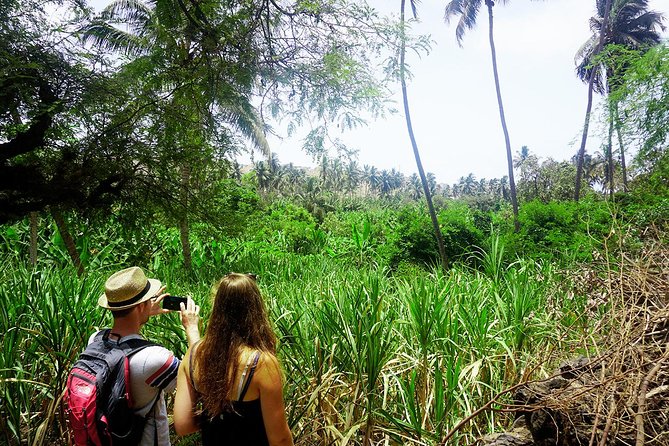
Pack lightly, but prepare for sun and an outdoor walk. Comfortable clothes, a hat, water, and sunscreen are the key items listed for the tour.
Fresh coconut water may be available at the plantation for an additional cost. Carry some local currency or a payment method suitable for small purchases, but the tour information does not specify accepted payment types. Do not depend on the coconut water as your only drink.
Most people can take part, according to the supplied information. Still, the plantation involves walking through agricultural fields, and the tour does not provide details about accessibility, terrain, dietary accommodations, or allergy procedures. Ask Bu Country Tours ahead of time if you need any special arrangement.
The food activity involves corn flour, banana, and wheat. If you have a food allergy or follow a restricted diet, check whether substitutions are possible before booking. The available details do not promise alternatives.
Who will enjoy this Santiago Island experience?
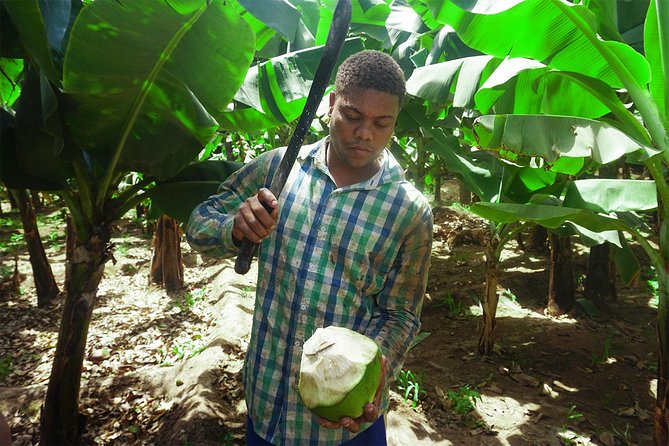
I would recommend this tour to you if you want a direct connection with Cape Verdean daily life. The plantation shows how local food begins in the fields, while the workshop shows how familiar ingredients become traditional dishes at home.
It is a good fit for couples, families, solo visitors, and small groups who like guided cultural activities. The four-hour length works well if you want more than a city tour but do not want to give up a full day.
Food lovers will get the most from the workshop, even if you are not an experienced cook. The dishes are local and hands-on, not an elaborate restaurant menu. You should book it with the expectation of learning, helping, and sharing rather than receiving a polished culinary performance.
I would be more cautious if you dislike scheduled group activities or want complete freedom to stop along the road. The private upgrade may solve some of that, but the exact advantages and cost are not provided. I would also choose another type of outing if your main goal is a long hike, since the plantation walk lasts about an hour and the cooking session takes up most of the day.
Should you book it?
Book this experience if you want a practical, people-focused introduction to Santiago Island. The strongest reasons are the shaded plantation walk, the two-hour cooking visit with a local family, and the care shown by guides such as Katia, Ricardo, Ayrton, and Cleber.
The $87.14 price is reasonable when you value transport, a small group, and access to a home-based cultural workshop. Bring sun protection, leave room in your schedule for the return drive, and confirm language or dietary needs in advance. If you prefer independent sightseeing or a physically demanding outdoor trip, spend your money elsewhere. For a half-day of food, farming, and conversation, this is one of the more personal ways to get beyond Praia.
FAQ
Where does the tour begin?
Pickup is offered from your hotel in Praia. The stated start time is 9:00 a.m.
How long does the experience last?
The tour lasts approximately four hours, including the drives between Praia, the plantation, the family home, and Praia again.
How many people can join the group?
The tour has a maximum of eight travelers.
Can I book a private tour?
Yes. A private-tour upgrade is offered for a more personalized experience. The private upgrade price is not provided.
What happens at the banana plantation?
In Pedra Badejo, you walk through the country’s largest banana and coconut plantation. A local guide explains the fruits and plants found along the route.
Is coconut water included?
No. Fresh coconut water may be available at the plantation if conditions allow, but it is purchased at your own expense.
What food do I make with the local family?
You learn to prepare cuscuz, a traditional cake made from corn flour, and fidjós, fried banana mixed with wheat.
What should I bring?
Bring comfortable clothes, a hat, water, and sunscreen. Free cancellation is available if you cancel at least 24 hours before the experience starts.
Recently listed on Praia
- Santiago Island: Private Airport Transfer to Praia or Vice Versa★ 5.0 · 3 reviews
- Hiking Águas Belas Cave★ 4.5 · 3 reviews
- Best of Santiago Island: Cidade Velha, Workshop & Tarrafal Beach Tour★ 4.5 · 3 reviews
- Santiago island & Full Day Island★ 5.0 · 2 reviews
- Santiago Island: Trek from Serra Malagueta to Rabelados Community★ 5.0 · 2 reviews
- Tarrafal Beach Tour: Boat Trip to the Lighthouse, Snorkel & BBQ Lunch★ 5.0 · 5 reviews
- Like Locals: Banana Plantation, and Cuscuz with locals★ 5.0 · 6 reviews
- Hiking Serra Malagueta Natural Park★ 5.0 · 2 reviews