
Reviewed · WORKSHOPS
Sal Island: Catxupa Cooking Class with a local family
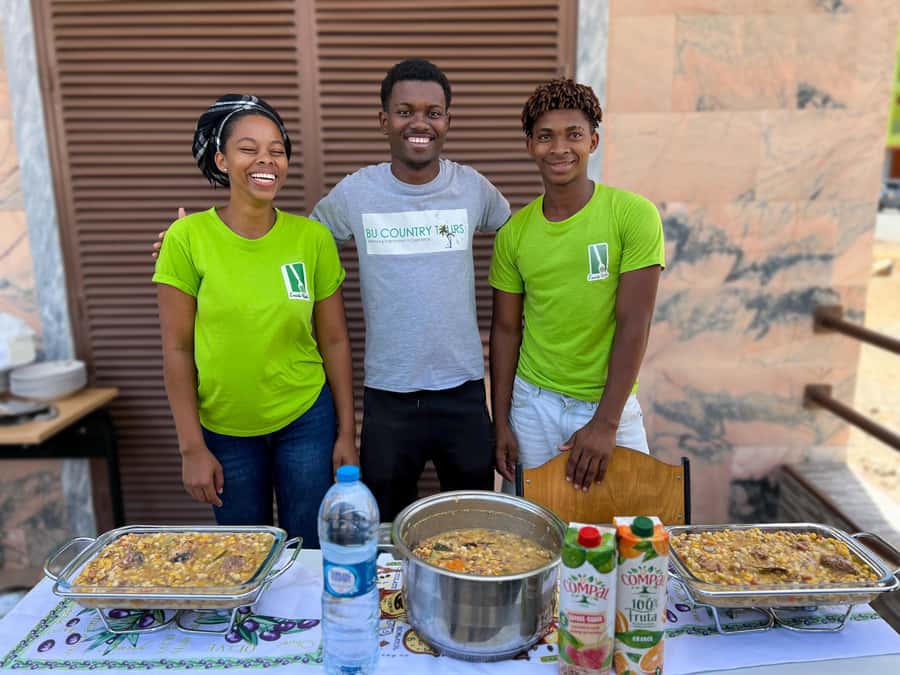
Food can open a door that sightseeing cannot. This two-hour Catxupa cooking class takes you into the home of a Cape Verdean family, where you help prepare the country’s best-known dish, hear about local traditions, and sit down to eat what you have made. I like the friendly family setting, and I like that you leave with a recipe you can try at home. The main consideration is the short duration: this is a focused introduction to Cape Verdean food, not a full-day food tour.
The $41 price includes hotel pickup and drop-off, all ingredients, a local cook, the meal, and a small-group setting capped at 10 people. That makes it a useful choice if you want more than a restaurant meal but do not want to spend half a day cooking. The experience is also offered in English, French, and Portuguese, with hosts such as Melissa and Alejandro receiving warm praise for their welcome and guidance.
In This Review
- Key points to know before booking
- Why Catxupa matters in Cape Verde
- Arriving at a local family home
- Learning the steps behind Catxupa
- Sharing the finished meal
- Stories, hospitality, and a little dancing
- Is $41 good value on Sal?
- What the small-group format changes
- Who should book this Sal cooking class?
- Practical advice for a smooth visit
- Final verdict: should you book it?
- FAQ
- How long does the Catxupa cooking class last?
- How much does the activity cost?
- Is hotel pickup included?
- Which languages are available?
- How many people can join the group?
- Can I cancel the booking?
Key points to know before booking

- Catxupa is the star of the meal: You help prepare a filling Cape Verdean dish made with corn, beans, and your choice of meat or fish.
- You cook with a local family: The setting gives you direct contact with everyday Cape Verdean hospitality rather than a formal restaurant demonstration.
- The group stays small: With no more than 10 participants, you should have a better chance to follow the preparation and ask questions.
- The cultural side goes beyond food: The experience can include stories about Cape Verde and even a short dance lesson.
- Pickup is included: Wait in your hotel lobby 10 minutes before the scheduled collection time.
- The activity is easy to fit into a holiday: It lasts two hours, costs $41 per person, and allows free cancellation up to 24 hours before the start.
Why Catxupa matters in Cape Verde
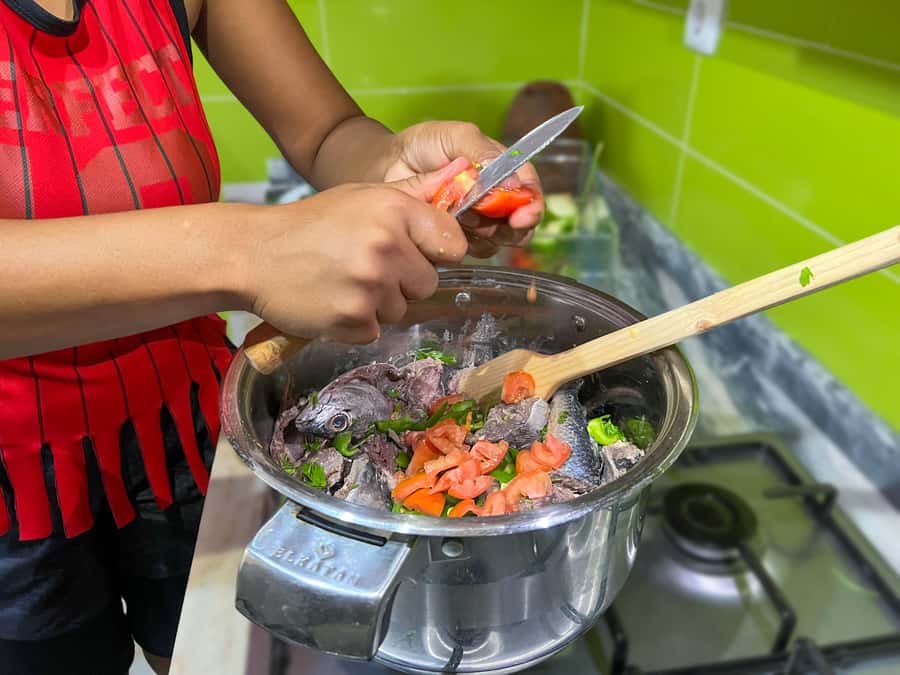
Catxupa is not just a dish placed in front of you at the end of a cooking lesson. It is closely tied to daily life in Cape Verde and is widely regarded as the country’s most famous food. The recipe brings together corn, beans, and a choice of meat or fish, creating a hearty meal with plenty of substance.
I like this kind of class because the food gives the conversation a clear starting point. You are not simply listening to a guide list facts about Cape Verde. You are handling ingredients, watching a local cook work, and learning how one important dish fits into home life and tradition.
The recipe is also practical. Catxupa is not presented as a complicated restaurant creation that only a professional cook could manage. The class is designed to give you something you can attempt in your own kitchen after returning home. You may not reproduce every flavor perfectly, but you will understand the basic structure of the dish and the role its main ingredients play.
That makes the lesson a good fit for curious eaters, home cooks, and anyone who finds food memories more lasting than another set of photographs. It also gives you a way to keep Cape Verde in your routine after your holiday ends.
A few more Sal trips to put side by side
- Mindelo: creol cooking with Catia
★ 4.8 · 70 reviews
Arriving at a local family home
Your experience begins with pickup from your accommodation in Sal. You should wait in the hotel lobby 10 minutes before the agreed time, which is a small but important detail on an island where transfer timing may depend on several hotel stops.
The ride takes you away from the usual hotel routine and into a more personal setting. The point is not luxury or polished presentation. The attraction is the chance to meet a local family and see how a traditional meal is shared in a home environment.
That change of setting matters. A hotel cooking demonstration can be neat and convenient, but it may feel separated from ordinary life. Here, the meal and the people are linked. You get a sense of Cape Verdean hospitality through direct conversation and shared food.
The host team may vary, but Melissa has been praised for being welcoming and professional, while Alejandro has been singled out as an excellent guide. If you are booking in French, English, or Portuguese, check the language available for your chosen departure. The activity is offered in all three.
Learning the steps behind Catxupa

The cooking portion is hands-on. You learn how the ingredients come together rather than simply watching a finished dish appear. All ingredients are included, so you do not need to shop or bring supplies.
The central mix of corn and beans gives Catxupa its filling character. Meat or fish can be included as the protein, creating a dish that works as a substantial main meal. The exact preparation details are not set out in advance, so you should think of the class as a guided introduction rather than a printed cooking school course with a fixed technical syllabus.
That is not necessarily a weakness. A family-led class often gives you a more natural sense of how food is prepared and served at home. You can ask questions as you go, watch the local cook adjust the process, and learn through the rhythm of the meal.
With a maximum of 10 people, the group should feel more manageable than a large demonstration. Small groups do not guarantee that every participant will spend the same amount of time at the cooking area, but the limit gives the activity a more personal scale.
I would book this for the cultural contact as much as for the recipe. The food is the anchor, yet the useful part is hearing why the dish matters and how it connects with Cape Verdean life.
Sharing the finished meal
Once the Catxupa is ready, you eat the meal prepared during the class. This is the point where the lesson becomes a social experience. You are not rushing through a tasting portion. You are sitting down to enjoy the result with the people who helped you make it.
The dish is described as protein-packed and satisfying, which makes sense given its corn, beans, and meat or fish. If you normally prefer light meals, Catxupa may feel substantial. If you enjoy comforting food with a strong connection to place, this is likely to be the part you remember.
Several aspects of the food and hospitality receive the strongest praise. The welcome is repeatedly described as warm, and the dish has been called delicious. One French-language account also describes the experience as a chance to learn about Cape Verdean history while enjoying the meal.
Do not expect a long restaurant menu. This is built around one signature dish, and that focus is part of its value. You get to understand a food from start to finish instead of sampling several dishes without learning much about any of them.
Another island, another kind of day entirely:
- Sal: Island Experience Tour with a Certified Local Guide
★ 4.8 · 3,249 reviews - Sal: All-Inclusive Salt Lake, Blue Eye and Shark Bay Tour
★ 4.7 · 2,033 reviews - Experience on Sal Island with native and certified guide (including sharks)
★ 5.0 · 1,166 reviews - From Sal Island: Blu eye, Salt lake, Lemon Sharks & Palmeira
★ 4.6 · 1,003 reviews
Stories, hospitality, and a little dancing
The class can reach beyond the cooking table. It may include a short dance lesson and discussion of Cape Verdean history and culture. These additions help explain why the activity feels more like a home visit with food than a standard recipe lesson.
The dance element is especially useful if you want some light participation rather than a quiet demonstration. It is not presented as a full performance or formal dance course, so keep your expectations modest. Think of it as a cheerful cultural extra that may appear during the gathering.
The human welcome is central. Melissa has been praised for her professionalism and warmth, while Alejandro has been described as a top guide. Another short assessment called the experience very authentic, which is exactly the appeal here: a direct meeting with a local family, a traditional dish, and time around the table.
I would choose this activity if you value conversation and connection. If you want a strictly technical cooking class, with exact measurements, printed instruction sheets, and advanced kitchen skills, you may find the format less structured than expected. The supplied details confirm a learning experience and a recipe to take home, but not a formal chef-training course.
Is $41 good value on Sal?
At $41 per person, the price is fair for what is included. You receive transport in both directions, ingredients, instruction from a local cook, the meal, and a small-group experience. If you were paying separately for a taxi, lunch, and a guided cultural activity, the total could easily approach the same amount.
The value also depends on what you want from your time in Sal. This is not the cheapest way to eat lunch. It is a better deal if you want the meal to come with context, conversation, and participation.
The two-hour length keeps the class easy to fit around other plans. You can schedule it without giving up a full beach day or a longer island excursion. The trade-off is that the session cannot cover every part of Cape Verdean cuisine. You learn one major dish, taste the result, and get a short cultural introduction.
Free cancellation up to 24 hours before the activity adds useful flexibility. You can also reserve now and pay later, which helps if you are arranging several activities before your Sal holiday is fully settled.
What the small-group format changes
The group limit of 10 people is worth noting. A small group makes it easier to hear the guide, follow the preparation, and ask about ingredients or local customs. It also helps the gathering feel less like a staged show.
At the same time, a group activity is still a group activity. You may share the cooking space and meal with people you have not met before. If you are hoping for a completely private family visit, check the booking conditions before paying, since the experience is described as a small group rather than an exclusive one.
The available languages are English, French, and Portuguese. This is helpful on Sal, particularly if you want cultural explanations rather than only visual instruction. Choose the language that lets you ask the most questions. A cooking lesson is much better when you can understand the stories behind the food.
The activity also includes a separate entrance arrangement described as skip-the-line access. Since this is a family cooking experience rather than a major public attraction, that detail may have limited practical importance. The parts that matter most are the pickup, language, group size, and time spent with the host family.
Who should book this Sal cooking class?
I would recommend it to you if you want a personal cultural experience with a clear focus. It suits:
- People who enjoy learning through food
- Couples and families looking for an easy two-hour activity
- Home cooks who want a Cape Verdean recipe to try later
- Visitors who prefer small groups to large sightseeing tours
- Anyone curious about local hospitality and everyday traditions
- Guests who want a meal with a story behind it
It may be less suitable if you want a long culinary itinerary, several dishes, market shopping, or a professional kitchen setting. The class focuses on Catxupa, with possible cultural extras such as dancing and history. That narrow focus is useful for learning one dish well, but it will not represent the whole range of Cape Verdean gastronomy.
I would also keep the short duration in mind. Two hours is enough for a taste of the food and culture, but not enough for a broad survey of island cooking. If your schedule is tight, that is an advantage. If you want a full afternoon with a family, it may feel brief.
Practical advice for a smooth visit
Arrive in the lobby 10 minutes before pickup. This is the one preparation detail you should treat as essential, since the transfer is included and the activity has a scheduled start.
Wear something comfortable for a hands-on food session. The provided details do not specify a dress code or special equipment, so you should not assume that you need professional cooking clothes. You also do not need to bring ingredients because they are included.
When you meet the cook, ask questions early. The best parts of this kind of class often come from small details about how the food fits into local life. If you want to recreate Catxupa at home, pay attention to the order of preparation and ask about substitutions that may be available where you live.
If your booking is in English, French, or Portuguese, confirm that the selected language matches your needs. The experience is designed for international visitors, but clear communication will make the history, recipe, and cultural conversation much more useful.
Final verdict: should you book it?
I would book this Catxupa cooking class if you want a friendly, low-pressure way to meet a Cape Verdean family and understand one of the country’s signature dishes. The strongest reasons are the personal welcome, the shared meal, the practical recipe, and the chance to add a little history and dancing to the cooking.
At $41, the included transport and food make the price sensible. The main limit is scope. You will not receive a full course in Cape Verdean cooking, and the two-hour format leaves little room for a long visit.
Choose it when you want an authentic-feeling cultural activity that fits neatly into a Sal itinerary. Skip it only if you are looking for advanced culinary instruction or a much longer food tour. For most visitors who enjoy good food and direct local contact, this is a thoughtful use of two hours.
FAQ
How long does the Catxupa cooking class last?
The experience lasts two hours.
How much does the activity cost?
The listed price is $41 per person.
Is hotel pickup included?
Yes. Hotel pickup and drop-off are included. You should wait in the hotel lobby 10 minutes before your scheduled pickup time.
Which languages are available?
The activity is offered with live guidance in English, French, and Portuguese.
How many people can join the group?
The experience is limited to 10 participants, making it a small-group activity.
Can I cancel the booking?
Yes. You can cancel up to 24 hours in advance for a full refund. You can also reserve now and pay later.
Recently listed on Sal
- Windsurf Lessons★ 5.0 · 2 reviews
- Secrets of Sal Island 4×4 Tour with Pedra da Lume Salt Lake★ 4.5 · 6 reviews
- Turtle Experience in Sal island★ 4.0 · 5 reviews
- Private Sal island: Pedra de Lume Village, Salt Lake & Shark Tour★ 5.0 · 2 reviews
- Sal island: Private Santa Maria City Tour, Street Art and Tapas★ 5.0 · 6 reviews
- Sal Island: Guided Full-Day Highlights Tour with Lunch★ 5.0 · 5 reviews
- Sal Island All-inclusive Adults-only Catamaran Cruise★ 5.0 · 3 reviews
- 4×4 Off Road Full-Day Private Tour – Sal Island Hidden Secrets★ 5.0 · 3 reviews
Workshops, compared.


Santiago Island: Banana Plantation, Natural Park & Workshop with a local family
Read our review →
Browse the lists this tour appears in