
Reviewed · WORKSHOPS
Kitesurf Lessons in Cape Verde
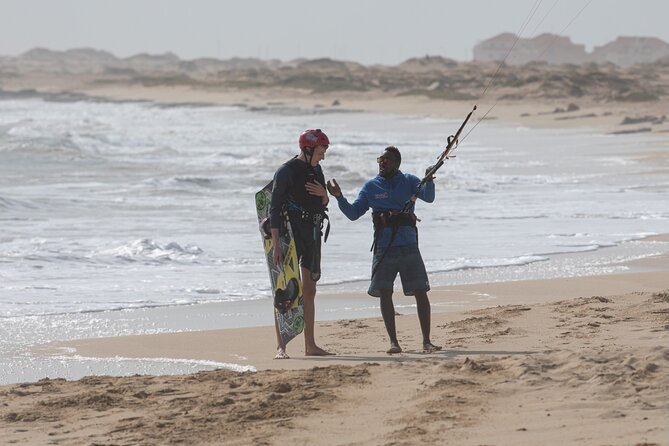
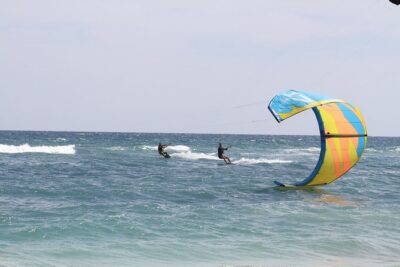
Cape Verde starts with wind. This two-hour lesson on Sal gives you a clear first taste of the sport the island is famous for, beginning with a small training kite before moving into the water at Kitebeach. I like the careful step-by-step teaching and the fact that every instructor is IKO qualified. I also like that this is a private activity for your group, not a crowded class with strangers.
The main drawback is the short duration. Two hours is enough for basic kite control, safety work, and bodydragging, but it is not enough for most beginners to become independent riders. You also need to be able to swim and have a moderate level of physical fitness, so this is not a passive beach excursion.
In This Review
- Key points to know before booking
- Starting in Santa Maria with Surf Hub Cabo Verde
- The small training kite makes the first step less intimidating
- Moving to the big kite and learning the safety systems
- Kitebeach and the first water session
- Why private instruction changes the value
- The instructors and the wider Surf Hub team
- What $141.14 buys you
- Who will enjoy this Sal activity most
- Practical tips for making the lesson count
- FAQ
- Where does the kitesurf lesson start?
- How long does the lesson last?
- Do I need to know how to swim?
- Is the lesson suitable for complete beginners?
- Is this a private activity?
- What happens if bad weather cancels the lesson?
- Should you book Kitesurf Lessons in Cape Verde?
Key points to know before booking
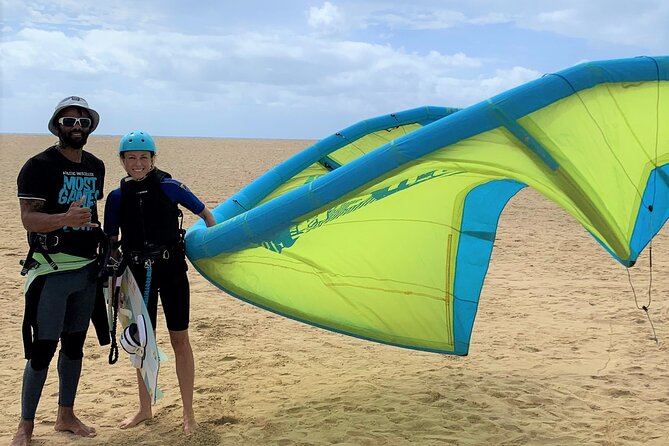
- Training begins with a small kite on the beach: You first learn the basic movements without managing a full-size kite in the water.
- Kitebeach is the main setting: After meeting at Surf Hub Cabo Verde in Santa Maria, you are taken to the beach for the practical lesson.
- Safety is part of the lesson: You learn the big kite’s safety systems before entering the water.
- The water work is bodydragging: This teaches you how the kite pulls you through the water before you attempt more advanced riding.
- The class is private: Only your own group takes part, which can make the instruction more focused.
- The price is $141.14 per person: That is a fair introduction if you value professional instruction and equipment, but less attractive if you expect a full kitesurfing course.
Starting in Santa Maria with Surf Hub Cabo Verde

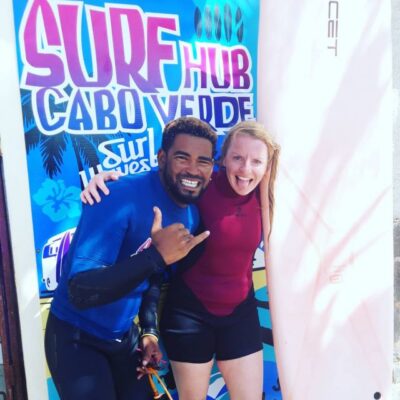
Your lesson begins at Surf Hub Cabo Verde, at Rua 15 de Agosto in Santa Maria. This matters because you do not head straight to the beach without preparation. The school uses the shop as the meeting point for equipment and the start of the instruction.
The staff prepares the equipment before taking you to Kitebeach. That arrangement keeps the beach time focused on learning rather than sorting out gear. You should arrive ready to listen, ask questions, and take part in the setup process.
The opening schedule is Monday through Saturday, from 9:00 a.m. to 4:30 p.m. The listed operating period runs through July 2026. There is no Sunday session shown, so check the available date carefully if your stay is short.
The mobile ticket is useful for a simple reason: you can keep the booking on your phone rather than carrying a paper voucher. Confirmation is provided at the time of booking.
A few more Sal trips to put side by side
- Sal: Island Experience Tour with a Certified Local Guide
★ 4.8 · 3,249 reviews - Sal: All-Inclusive Salt Lake, Blue Eye and Shark Bay Tour
★ 4.7 · 2,033 reviews - Experience on Sal Island with native and certified guide (including sharks)
★ 5.0 · 1,166 reviews
The small training kite makes the first step less intimidating
The lesson starts on the beach with a small training kite. This is a sensible choice for a first session because you can focus on the basic relationship between wind, kite, and control bar before dealing with the force of a larger kite.
You will work on kiteflying skills on land. The goal is not just to keep the kite in the air. You learn how to control its movement and begin to understand how its position affects the pull you feel. That foundation is important, since poor kite control can make the sport feel wild and confusing very quickly.
For a complete beginner, this land-based section is likely to be the most useful part of the first half of the lesson. It gives you time to get used to the equipment while standing on firm ground. It also lets the instructor watch how quickly you understand the controls before moving on.
I like this gradual approach. A lesson that sends a beginner straight into the water may look exciting, but it often leaves the student busy with basic control and unable to understand what is happening. Here, the first stage is meant to make the later water work more manageable.
Moving to the big kite and learning the safety systems
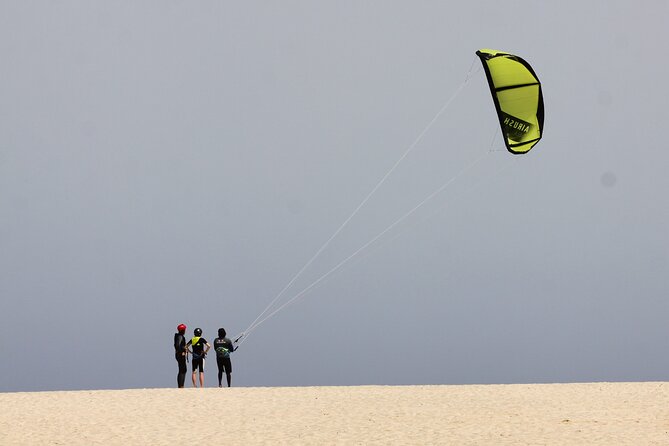
Once you have practiced with the small kite, you move to the larger kite. This is where the sport begins to feel more powerful, and the instruction becomes more important.
You learn the safety systems and the skills needed to use the larger setup. The supplied information does not list every safety exercise, so you should ask the instructor to explain each release and recovery step clearly. Do not be shy about requesting another demonstration. In kitesurfing, understanding how to reduce the kite’s power is just as important as learning how to create it.
The school is registered with IKO, and its instructors are IKO qualified. That gives you a useful professional standard to look for when comparing lessons. It does not guarantee that you will master the sport in two hours, but it does suggest that the teaching follows an established kitesurfing framework.
This is also the point where physical effort becomes more noticeable. You will handle equipment, respond to the wind, and concentrate on several instructions at once. A moderate fitness level is required, and you must be able to swim.
Kitebeach and the first water session
After the beach training, you go into the water with the instructor. The lesson focuses on bodydragging with the kite.
Bodydragging is a basic kitesurfing skill. The kite pulls you through the water while you learn to control its direction and power without standing on a board. It may not look like the final goal of kitesurfing, but it is a practical bridge between flying a kite on land and using one to ride.
For you, this part can be both exciting and tiring. The water adds movement, and the kite’s pull feels different from what you experienced on the beach. You need to keep listening while managing your body position and the kite at the same time.
The instructor joins you in the water, which is especially valuable for a first lesson. You are not left to guess what to do after the initial explanation. The strongest feedback about this school points to professional, safety-minded teaching that still keeps the session enjoyable.
Do not judge the lesson only by whether you get up on a board. This experience is designed as a first taste. Learning to control the kite and bodydrag safely is meaningful progress, even if standing on a board comes later in a longer course.
Another island, another kind of day entirely:
- From Sal Island: Blu eye, Salt lake, Lemon Sharks & Palmeira
★ 4.6 · 1,003 reviews - Santa Maria: Guided Snorkeling and Reef Tour
★ 4.2 · 809 reviews - Complete Excursion and Flight on the Zipline Cabo Verde
★ 5.0 · 591 reviews - Horse Riding in Sal Island – Cabo Verde
★ 5.0 · 500 reviews
Why private instruction changes the value
This is a private activity, so only your own group participates. That can make a big difference in a sport where each person may need a different amount of time with the kite.
If you are the only beginner in your group, you should receive more direct attention than you would in a large shared class. If you are booking with family or friends at different levels, the private format may also make the experience easier to manage. One person may need more time with the small kite, while another may move faster to the water exercises.
The available feedback gives this format a particularly good name for patient instruction. Families with mixed experience levels have used the school, including beginners, a student who had taken some lessons in the Netherlands, and a keen kitesurfer. That combination suggests the staff can work with different starting points, though you should still explain your group’s experience when booking.
A private lesson does not mean unlimited personal time. The session lasts about two hours, and equipment preparation, travel to Kitebeach, beach practice, and water work all fit into that window. If several people are in your group, each person may receive less individual time on the kite than a solo student.
The instructors and the wider Surf Hub team
The school’s IKO registration is one of the clearest strengths of the experience. The instructors are described as IKO qualified, and the available feedback gives special praise to their patience, professionalism, and focus on safety.
Tchu is one instructor specifically praised for making students feel comfortable and explaining the course well. If you have a chance to request an instructor, you can ask whether Tchu is available, though the information does not promise a particular instructor for every booking.
Amy is the team member most closely associated with arranging the wider experience. She has helped organize accommodation, transfers, island trips, sailing, yoga, surfing, and kitesurfing. That wider support may be useful if your lesson is part of a larger stay in Sal rather than a one-off booking.
The school also appears to work with more than just kitesurfing. People have combined kitesurf lessons with surfing lessons, and some have added yoga or sailing. That does not change the two-hour lesson itself, but it may help if you want one local contact for several activities.
What $141.14 buys you
At $141.14 per person, this is not a cheap way to spend two hours at the beach. You are paying for instruction, equipment use, safety guidance, and the organized trip from the Santa Maria shop to Kitebeach.
The value is strongest if you are new to kitesurfing and want a proper introduction rather than a casual attempt with rented gear. The IKO-qualified instructors and private-group setup support the price. You also avoid buying or arranging specialist equipment for a sport that you may only be trying once.
The value is weaker if you already know how to fly a kite and only want time on the water. The supplied information describes a beginner lesson, not independent rental or advanced coaching. You should also keep your expectations realistic: two hours may give you a solid introduction, but it is unlikely to produce confident, independent kitesurfing.
For a family or small group, compare the price against the level of personal attention you want. A private session may justify the cost if your group values a controlled lesson and direct access to an instructor. If the group is large, ask how the two hours will be shared before you commit.
Who will enjoy this Sal activity most
I would recommend this lesson to:
- A first-time kitesurfer who wants professional guidance
- Someone curious about the sport Cape Verde is known for
- A small private group that values focused instruction
- Families or friends with mixed levels of experience
- Fit swimmers comfortable with an active beach lesson
- Visitors who want to combine kitesurfing with surfing or other activities arranged through the same team
I would be more cautious about recommending it to anyone who cannot swim, has limited physical fitness, or wants a full course in a single session. It is also not the best match for an experienced rider seeking advanced technique work, since the described program begins with basic kiteflying and safety skills.
The weather matters, too. Kitesurfing depends on suitable conditions. If poor weather forces cancellation, you are offered another date or a full refund, but a short holiday may not leave room to reschedule.
Practical tips for making the lesson count
Tell the school your experience level before the lesson. This is especially important if one person in your group has already kitesurfed while another has never held a kite.
Wear something suitable for an active water session, and arrive prepared for the lesson to involve both beach practice and time in the water. The supplied requirements only specify moderate physical fitness and the ability to swim, so you should ask the school directly about any clothing or personal equipment you need to bring.
Pay close attention during the safety section. Beginners often want to get to the exciting part, but the release systems and control skills are what make the water session useful and responsible.
Try to think of the lesson as an introduction, not a test. You may finish with basic kite control and bodydragging skills rather than board riding. That is normal for a first session and gives you a better base for future lessons.
You can cancel for a full refund if you do so at least 24 hours before the start time. Cancellations made less than 24 hours ahead are not refunded, and late changes are not accepted. The cut-off follows local time.
FAQ
Where does the kitesurf lesson start?
The lesson starts at Surf Hub Cabo Verde, Rua 15 de Agosto, Santa Maria 4111, Cape Verde. The activity ends back at the same meeting point.
How long does the lesson last?
The lesson lasts approximately two hours.
Do I need to know how to swim?
Yes. Participants must be able to swim.
Is the lesson suitable for complete beginners?
Yes. The program is designed as a first taste of kitesurfing, beginning with a small training kite and basic kiteflying skills before moving to a larger kite and water practice.
Is this a private activity?
Yes. Only your own group takes part in the activity.
What happens if bad weather cancels the lesson?
You can choose another date or receive a full refund if the activity is canceled because of poor weather.
Should you book Kitesurf Lessons in Cape Verde?
I would book this if you want a well-organized first encounter with kitesurfing in Sal and value qualified instruction, safety practice, and a private group. The small-kite training, move to the full-size kite, and bodydragging session create a sensible learning path.
I would not book it expecting to ride confidently after two hours. Think of the $141.14 as the cost of a professional introduction, not a complete course. If that sounds right, this lesson offers a practical way to try Cape Verde’s signature wind sport without taking on the cost or risk of handling the equipment alone.
Recently listed on Sal
- Windsurf Lessons★ 5.0 · 2 reviews
- Secrets of Sal Island 4×4 Tour with Pedra da Lume Salt Lake★ 4.5 · 6 reviews
- Turtle Experience in Sal island★ 4.0 · 5 reviews
- Private Sal island: Pedra de Lume Village, Salt Lake & Shark Tour★ 5.0 · 2 reviews
- Sal island: Private Santa Maria City Tour, Street Art and Tapas★ 5.0 · 6 reviews
- Sal Island All-inclusive Adults-only Catamaran Cruise★ 5.0 · 3 reviews
- Sal Island: Guided Full-Day Highlights Tour with Lunch★ 5.0 · 5 reviews
- 4×4 Off Road Full-Day Private Tour – Sal Island Hidden Secrets★ 5.0 · 3 reviews
Workshops, compared.



Santiago Island: Banana Plantation, Natural Park & Workshop with a local family
Read our review →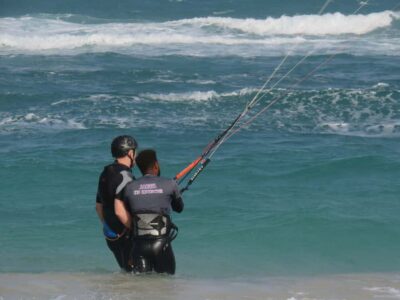
Browse the lists this tour appears in