
Reviewed · WORKSHOPS
From Praia: Banana Plantation Tour and Cuscuz Workshop
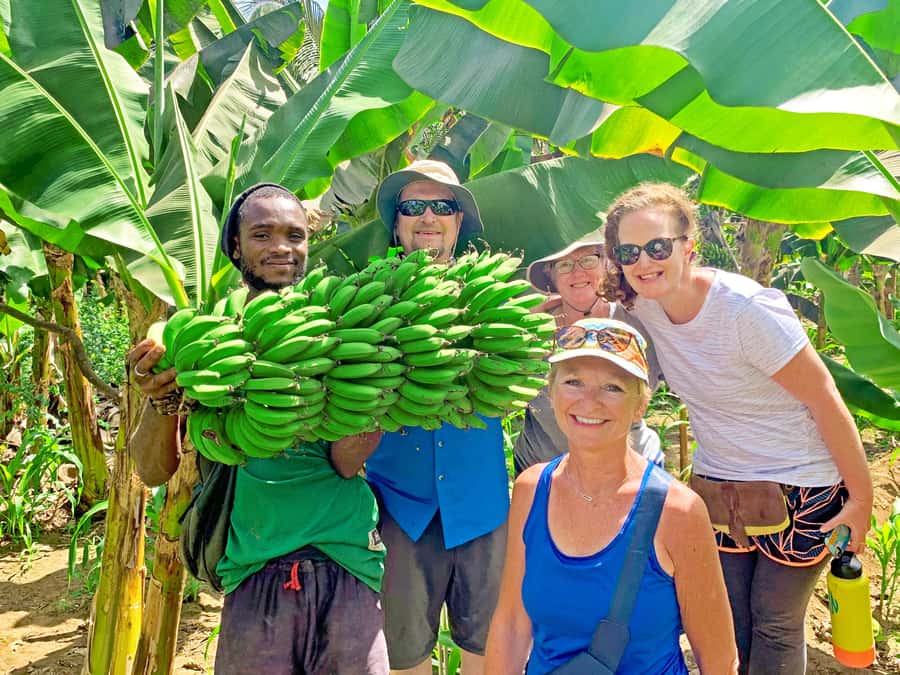
Food tells the story of Santiago. This four-hour outing from Praia joins a working banana and coconut plantation with a hands-on visit to a local family in Orgãos. I like the mix of agriculture and home cooking, and I like that the experience gets you beyond Praia into the hills, valleys, and rocky scenery of Santiago Island. The main consideration is that the plantation visit can be affected by flooding, and the cooking portion may not always operate in exactly the same way.
The tour costs $88 per person, including hotel pickup, transport, a guide, and the cooking workshop. That is fair value if you want personal contact, a small-group setting, and several distinct stops in one morning. It is less compelling if you are mainly seeking a broad island tour or a long plantation visit.
In This Review
- Key points to know before booking
- Why this half-day trip feels different from a standard sightseeing drive
- From Praia to Santa Cruz and the plantation fields
- What you learn from a working banana and coconut plantation
- Cooking Cuscuz and Fidjós in Orgãos
- The road through Monte Txota and Santiago’s interior
- Is $88 good value for four hours?
- Shared group or private departure?
- Who will enjoy this tour most?
- Practical advice for a smoother morning
- Should you book the Banana Plantation and Cuscuz Workshop?
- FAQ
- How long does the tour last?
- What is included in the price?
- Where does the tour go?
- What foods will I learn about?
- Can I taste fresh fruit at the plantation?
- Is the tour private or shared?
- What languages are offered?
- Is the tour suitable for people with mobility problems?
Key points to know before booking
- The morning runs from 9:00 AM to 1:00 PM, making this easy to fit into a Praia stay.
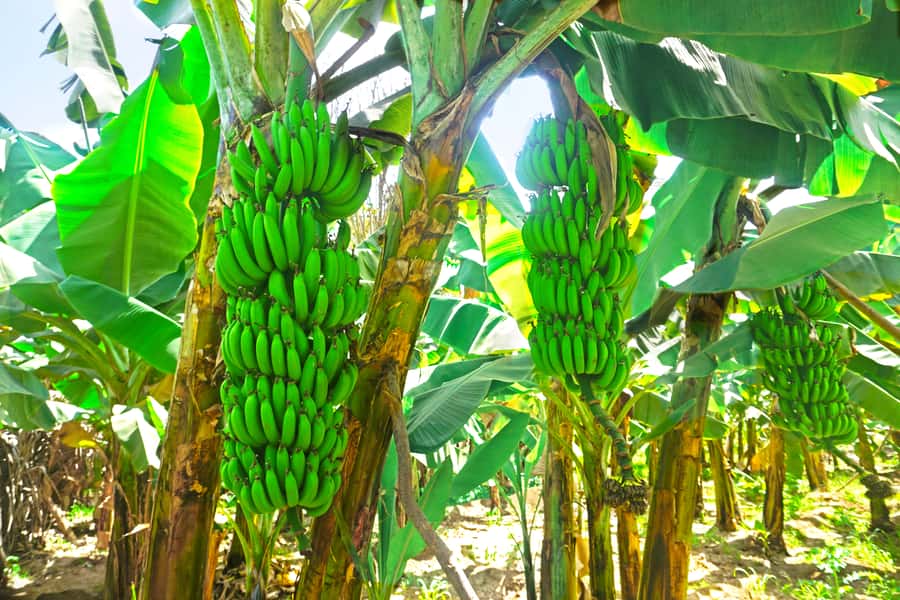
- Santa Cruz brings you to Cape Verde’s largest banana and coconut plantation, with explanations about fruit, crops, and other plants.
- Orgãos is the heart of the food experience, where you learn to prepare Cuscuz and Fidjós with a local family.
- Mama Luisa and Mama Louisa are names associated with the cooking visit, though the host can vary by departure.
- The tour includes scenic driving near Monte Txota, with rocky valleys and commentary about local life and history.
- Flooding can limit access to the plantation, so ask what conditions are like before departure if rain has recently fallen.
Why this half-day trip feels different from a standard sightseeing drive
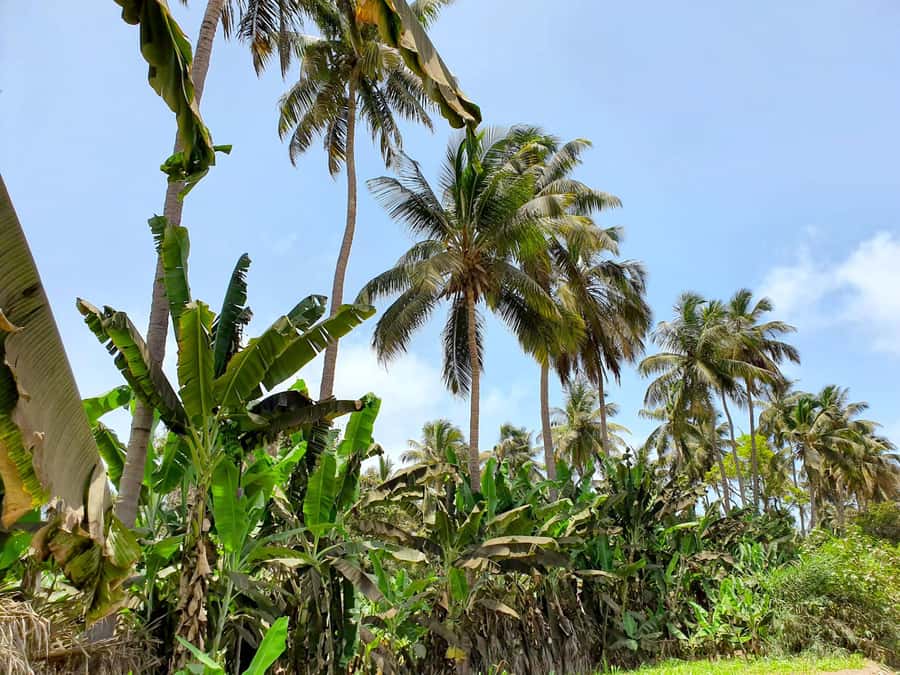
Many excursions from Praia are built around viewpoints and photo stops. This one gives you something to do with your hands. You walk through cultivated fields, taste local produce when available, then prepare food in a family home.
That change of pace matters. The plantation shows you how food is grown. The kitchen shows you how it reaches the table. The guide connects those two parts with stories about Santiago, local customs, and the places along the road.
The tour is also small enough to feel personal. Private departures are available, and shared tours use small groups. One solo visitor had two guides and a driver during the quieter season, which allowed plenty of conversation and help while walking through the fields. Group size can vary, but the format is more intimate than a large coach outing.
The experience is led in English, Spanish, French, or Portuguese. Guides named in feedback include Bamba, Carlos, Katia, Elio, and Ericson. Carlos was especially helpful with practical needs such as drink stops, bathroom breaks, and food recommendations, while Bamba and Ericson were praised for answering questions and adding humor. Your guide will depend on the departure, but the repeated strength here is the human side of the tour.
A few more Cidade Velha trips to put side by side
- Praia & Cidade Velha: Guided City Tour
★ 4.8 · 80 reviews - Santiago Island: Highlights of Cidade Velha with Local Guide
★ 4.9 · 67 reviews - Santiago: Calabaceira Valley Trek & Visit to Cidade Velha
★ 4.8 · 49 reviews
From Praia to Santa Cruz and the plantation fields
Pickup takes place at your accommodation in Praia. You should wait in the hotel lobby about 10 minutes before the scheduled time. From there, the vehicle heads inland toward Santa Cruz.
The drive is part of the experience, not just a transfer. As Praia gives way to rural areas, your guide explains the surroundings and points out features along the route. The tour is designed to show you a less urban side of Santiago, where farming remains central to daily life.
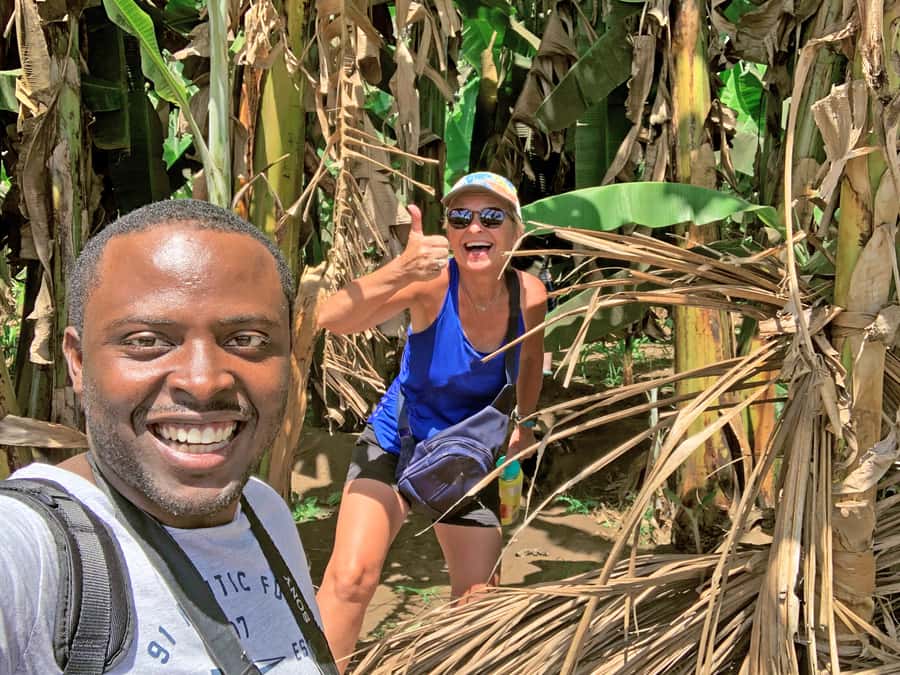
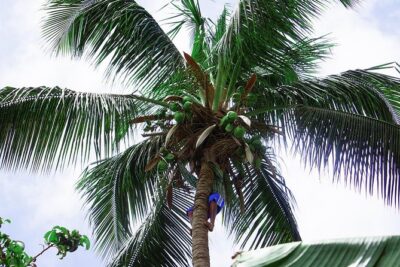
At Santa Cruz, you visit the country’s largest banana and coconut plantation. The walk takes you inside the agricultural fields, where the guide explains different fruits, plants, and growing areas. This is not a polished garden arranged for tourists. It is a working agricultural setting, so the ground may be uneven and conditions can change with the weather.
If supplies are available, you can buy fresh coconut water and organically grown local bananas at your own expense. This is a small detail, but it adds to the sense that you are seeing food where it is produced rather than being handed a prepared sample in a visitor center. One especially memorable food stop noted by a participant included sugarcane, grogue, and roadside fruit purchases, including soursop.
Do not assume every item will be available on every morning. The information specifically says coconut water and bananas depend on availability. You may see the crops without being able to taste or purchase them.
The plantation is also the biggest practical weakness of the tour. Heavy rain and flooding once prevented access to the fields, leaving the group to view the plantation from outside. The participants could not buy or sample bananas on that occasion. If your visit follows wet weather, ask the operator whether the walking portion is open and what alternative is planned.
What you learn from a working banana and coconut plantation
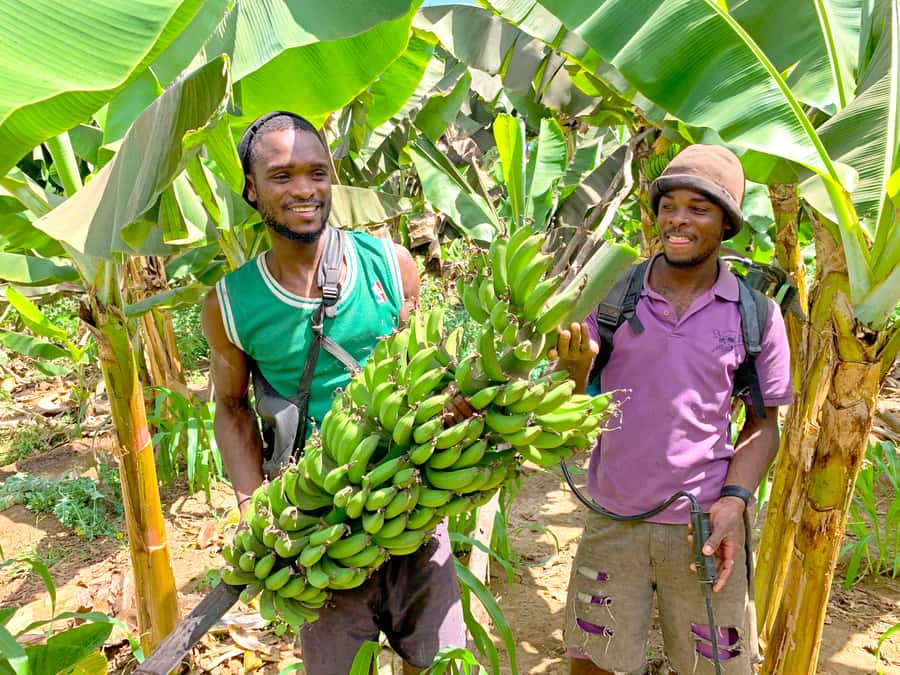
The plantation stop works best if you are curious about ordinary food production. Your guide explains the varieties of fruit and plants rather than simply leading you along a path. That makes the visit useful for anyone who wants more context about Cape Verdean agriculture.
You can expect the focus to be on observation and explanation, not a formal farm demonstration. The guide is the bridge between what you see and what it means. Ask questions as you go, especially if you are interested in how bananas, coconuts, sugarcane, or other local crops fit into daily life.
Wear shoes that can handle a field walk. Comfortable clothing, a hat, water, and sunscreen are specifically recommended. People with back problems or mobility impairments should think carefully before booking, since the plantation walk and vehicle travel may be uncomfortable.
The stop is not very long in the overall schedule, but that is part of the design. You see farming, eat or prepare local food, and continue through the interior before returning to Praia. If you want several hours devoted only to agriculture, a dedicated farm visit may suit you better.
Cooking Cuscuz and Fidjós in Orgãos
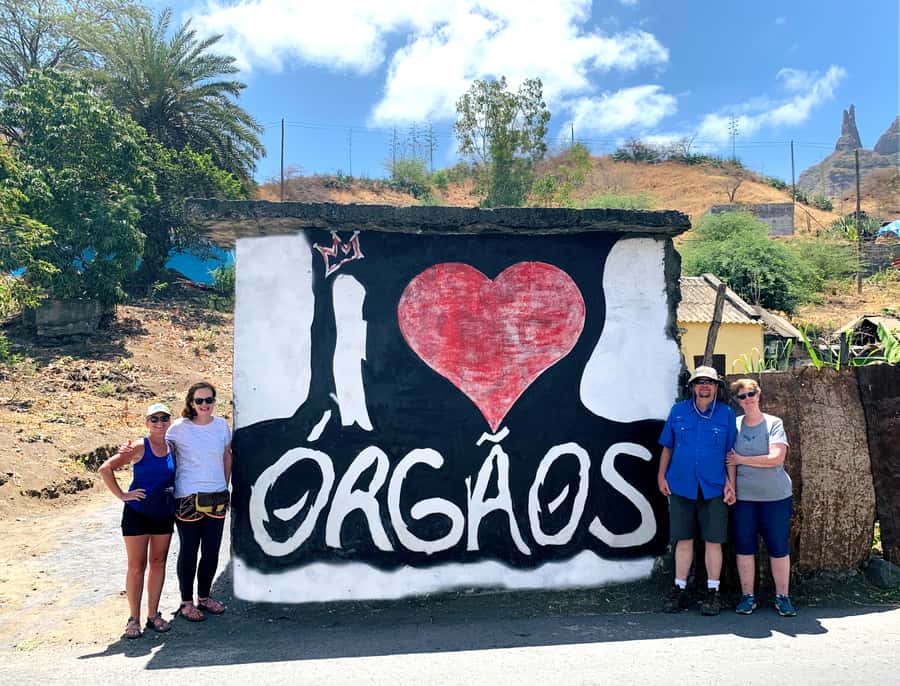
After Santa Cruz, the tour continues to nearby Orgãos. Here you meet a local family and take part in the food portion of the morning.
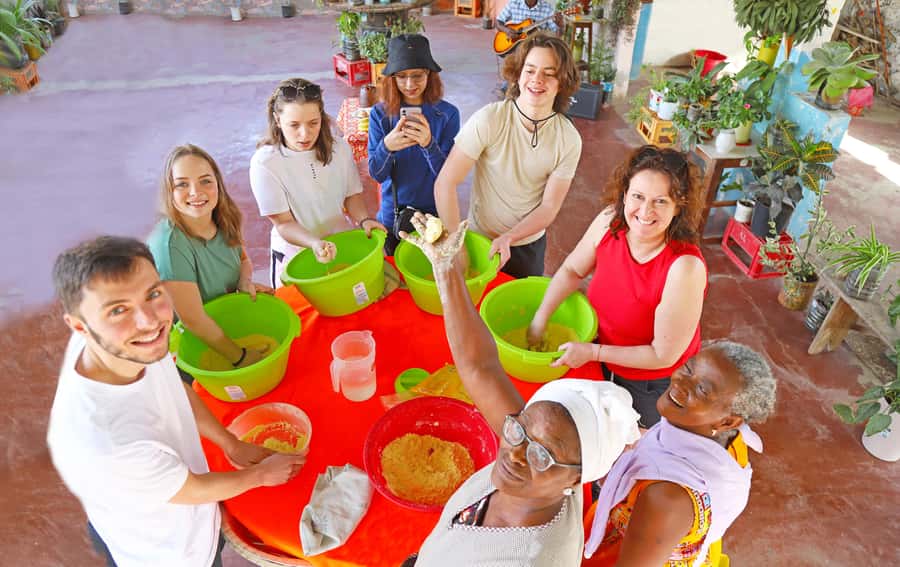
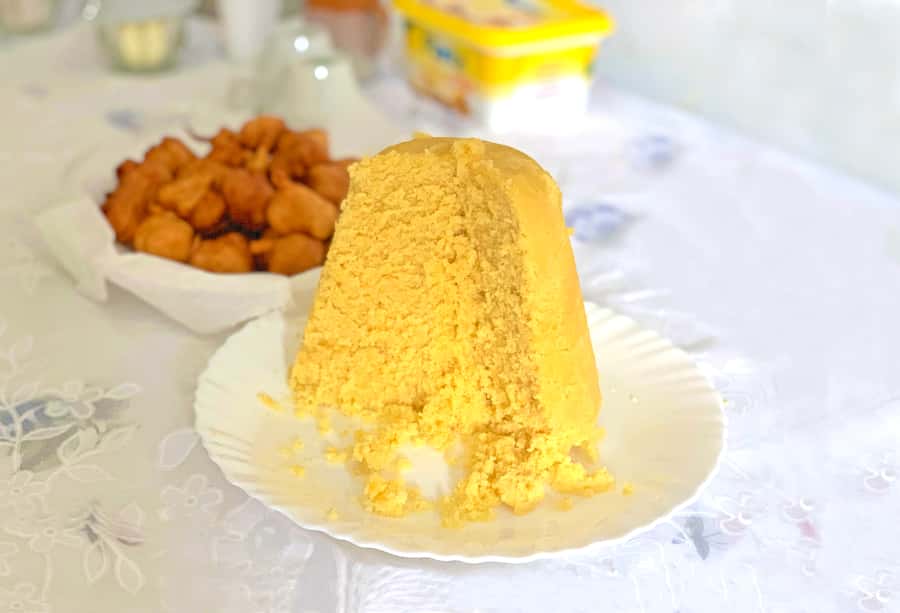
The main dish is Cuscuz, a traditional Cape Verdean cake made from cornmeal. You also learn about Fidjós, a sweet treat made with banana mixed with wheat. The point is not simply to sample finished dishes. The planned activity lets you see how these foods are prepared and gives you a direct connection to the people who make them.
This is the part I find most valuable. A restaurant meal can tell you what a dish tastes like. A family kitchen can explain when it is made, how it is handled, and why it belongs to local food culture. The setting also brings in morabeza, the Cape Verdean idea of warmth and hospitality.
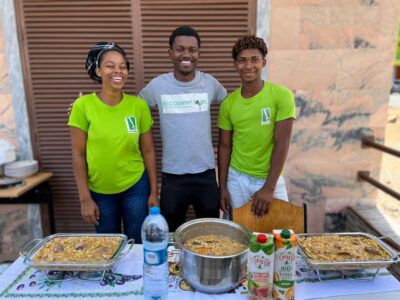
The host is listed in different accounts as Mama Luisa or Mama Louisa. She is described as warm, patient, and generous with her cooking knowledge. One participant found the workshop especially fun and hands-on, while another called it an engaging way to learn about Cape Verdean food. The family welcome is clearly a major part of the experience, not a quick tasting added at the end.
There is one important caveat. On at least one departure, the cooking workshop did not take place, and the food portion was presented as a tasting of Cuscuz and Fidjós instead. That may reflect a communication problem, a change in the schedule, or a difference between the activity promised and the activity delivered that day. To avoid disappointment, confirm before leaving Praia that you will be cooking rather than only tasting.
The distinction matters. If you mainly want to eat local food, either version can be worthwhile. If the hands-on lesson is the reason you booked, make that clear to the guide at pickup.
Another island, another kind of day entirely:
- From Praia: Cidade Velha, Tarrafal & East Side Island Tour
★ 4.8 · 23 reviews - Like Locals: Praia and Cidade Velha Tour + Local Pontxi Tasting
★ 5.0 · 19 reviews - Santiago Island: 4-Hour Calabaceira Valley Hike & Guided Tour to Cidade Velha
★ 5.0 · 18 reviews - Santiago Island: Best of Praia & Cidade Velha Tour, a World Heritage Site
★ 5.0 · 15 reviews
The road through Monte Txota and Santiago’s interior
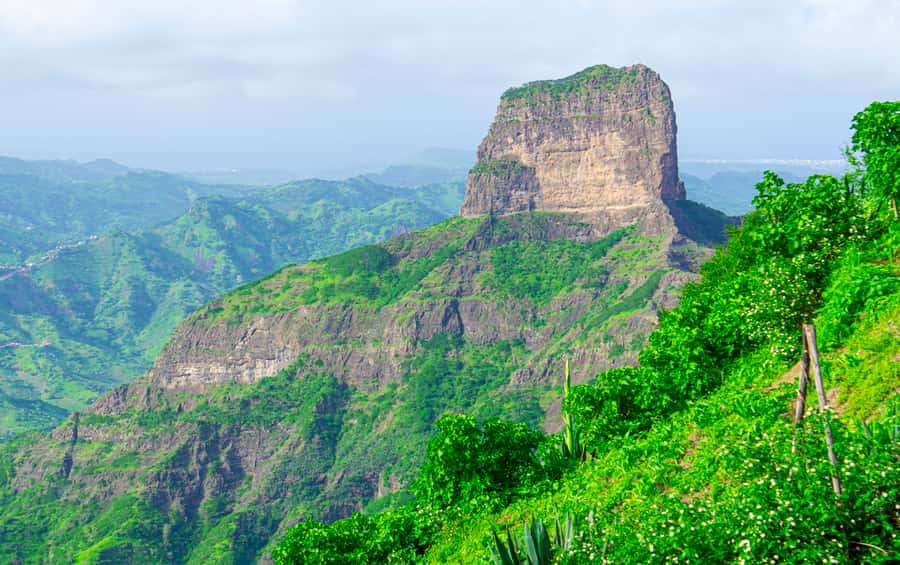
After the food visit, the route continues through rocky areas and valleys. The guide narrates local history and points out the scenery before the vehicle returns to Praia.
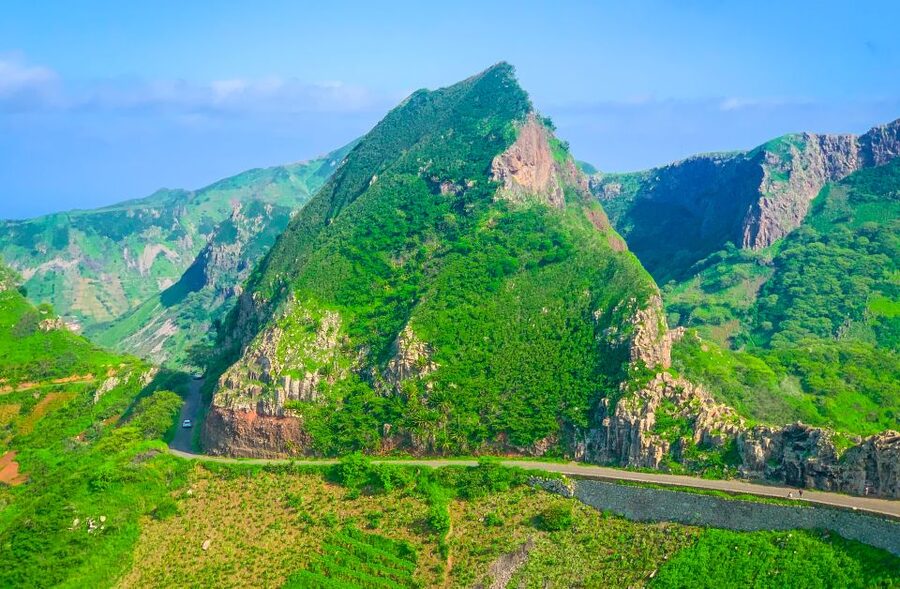
The description includes a visit to the Natural Park of Monte Txota. The available details do not indicate a long hike or a formal park program, so think of this as a scenic drive and viewing stop rather than a dedicated trekking excursion. You will see more of Santiago’s interior, but the schedule does not leave room for a full nature walk.
This portion helps the tour feel like more than a plantation transfer. The road reveals the island’s changing terrain, and the guide gives the setting a human context. You may stop to look, listen, and take photographs, but the exact pace can depend on traffic, road conditions, and how much time the earlier stops require.
I would choose this trip for the combination of places rather than for any single viewpoint. The plantation, family kitchen, and Monte Txota area each show a different side of Santiago. Together, they offer a compact introduction to rural life and local food.
Is $88 good value for four hours?
At $88 per person, the tour is not the cheapest way to leave Praia. Its value depends on what you want included.
The price covers hotel pickup and drop-off, transportation, a guide, and the cooking workshop. You are also paying for a small-group or private format, access to a family experience, and the convenience of combining Santa Cruz, Orgãos, and Monte Txota in one morning.
That makes the cost reasonable for visitors who would otherwise need to arrange a private vehicle and separate local visits. The strongest value comes when the workshop operates as planned and the plantation can be entered.
The comparison changes if you want a broad island tour. One participant felt that a previous island circuit showed much more and included lunch for only a little extra money. That is a fair criticism. This activity is specialized, not a complete tour of Santiago. You will not cover every major sight in four hours.
I would book it if your priority is food, farming, and personal contact. I would choose a longer island tour if this is your only day on Santiago and you want maximum sightseeing.
Fresh coconut water, bananas, and other food purchases are not included in the price. Bring a little cash if you want to buy something, but availability is not guaranteed.
Shared group or private departure?
The activity can be arranged as a shared group tour, a private tour, or a small-group experience. A shared departure requires at least two participants.
If the minimum is not reached, the operator may offer another date, charge an extra fee to run the tour privately, or cancel the booking with a full refund. That is worth knowing if you are visiting in a quiet season or have a fixed cruise or flight schedule.
A private departure should give you more control over questions, photo stops, and the pace of the family visit, though the supplied information does not state the private-tour surcharge. A shared group keeps the price clearer and can be a pleasant way to meet other people, but the workshop and plantation time will follow the group’s pace.
The language choice is another practical advantage. You can request English, Spanish, French, or Portuguese. If food preparation is important to you, using a language in which you can ask detailed questions will make the kitchen visit much more useful.
Who will enjoy this tour most?
I would recommend this outing to you if you:
- Want to experience rural Santiago without planning transport yourself
- Like local food and prefer participation to a standard tasting
- Enjoy meeting families and hearing personal explanations
- Have a free morning in Praia
- Are comfortable walking on agricultural ground
- Prefer a small group or private setting
- Want scenery without committing to a full-day island circuit
You may want another activity if you have mobility limits, back problems, or little interest in cooking. The tour also may not satisfy you if you expect a long plantation walk, a major hike, or a full lunch.
Families can enjoy the food element, but the activity information does not give a specific minimum age or child policy. Ask the operator directly if you are traveling with children.
Practical advice for a smoother morning
Wear closed, comfortable shoes and clothes that can handle a farm visit. A hat, sunscreen, and water are essential in the open fields and during the drive.
Keep your schedule flexible around the 9:00 AM to 1:00 PM timing. The tour is listed as four hours, but weather and road conditions can affect the order or length of stops.
Ask two questions at pickup:
- Is the plantation open for walking today?
- Will the Orgãos visit include cooking, or only tasting?
Those questions address the two parts most likely to differ from the ideal plan. If the fields are flooded, you will know early that the plantation portion may be limited. If the kitchen portion has changed, you can decide how much emphasis to place on the tasting and scenic drive.
Free cancellation is available up to 24 hours before departure for a full refund, and you can reserve now and pay later. That flexibility is useful if your Praia plans depend on weather.
Should you book the Banana Plantation and Cuscuz Workshop?
Book this tour if you want a friendly, food-centered introduction to Santiago and value the chance to meet a local family. The best version of the experience gives you a plantation walk, fresh produce, Cuscuz preparation, Fidjós, and a scenic ride through the interior, all before lunch.
I would be more cautious if you are booking mainly for the plantation or specifically for a cooking lesson. Flooding can close the fields, and the kitchen activity has not operated as a hands-on workshop on every departure. Confirm both points before setting out.
For the right visitor, $88 is a sensible price for the transport, guide, family welcome, and small-group format. It is not a substitute for a full Santiago island tour. It is a focused morning that connects what Cape Verde grows with what Cape Verde eats, and that is its real strength.
FAQ
How long does the tour last?
The tour lasts four hours, from 9:00 AM to 1:00 PM.
What is included in the price?
Hotel pickup and drop-off, transportation, a guide, and the cooking workshop are included.
Where does the tour go?
The route starts in Praia and continues to Santa Cruz, Orgãos, and the Natural Park of Monte Txota area before returning to Praia.
What foods will I learn about?
You will learn about Cuscuz, a traditional cornmeal cake, and Fidjós, made from banana mixed with wheat.
Can I taste fresh fruit at the plantation?
If available, you may buy fresh coconut water and organically grown local bananas at your own expense. Availability is not guaranteed.
Is the tour private or shared?
Private and small-group options are available. The shared group option requires at least two participants.
What languages are offered?
Live guiding is available in English, Spanish, French, and Portuguese.
Is the tour suitable for people with mobility problems?
The tour is not suitable for people with mobility impairments or back problems. Comfortable shoes and clothing are recommended for the plantation walk.
Recently listed on Cidade Velha
- Best of Santiago Island: Cidade Velha, Workshop & Tarrafal Beach Tour★ 4.5 · 3 reviews
- Private Tour Cidade Velha/Discover OLD CITY★ 5.0 · 4 reviews
- Praia: Plateau and Cidade Velha Guided Tour★ 5.0 · 3 reviews
- Highlights of Cidade Velha with local guide★ 4.5 · 7 reviews
- Shore Excursion: 3-Hour Guided Historic Tour of Praia & Cidade Velha★ 5.0 · 9 reviews
- Guided City tour Praia with Cidade Velha (World Heritage)★ 5.0 · 10 reviews
- Santiago Island: Best of Praia & Cidade Velha Tour, a World Heritage Site★ 5.0 · 15 reviews
- Santiago Island: 4-Hour Calabaceira Valley Hike & Guided Tour to Cidade Velha★ 5.0 · 18 reviews
Workshops, compared.


Santiago Island: Banana Plantation, Natural Park & Workshop with a local family
Read our review →
Browse the lists this tour appears in