
Reviewed · LOCAL LIFE & CULTURE
The origen of Capeverdean People
Africa is the key to understanding Cape Verde. This two-hour tour on Santiago Island focuses on how people brought from Senegal, Guinea-Bissau, and Gambia helped form the Capeverdean nation, its culture, skin tones, dances, and Krioulu dialect. I like the clear Afrocentrist focus and the chance to visit Cidade Velha with a guide rather than simply walk among its monuments without context. I also like the small group size, limited to seven people.
The main consideration is time. Two hours gives you a useful introduction, not a complete study of Cape Verdean history. The tour also presents one strong viewpoint, centered on African contributions, so you should see it as a focused cultural experience rather than a full account of every force that shaped the islands.
In This Review
- Key points about the Cidade Velha history tour
- Why Cape Verde’s African story matters
- The short drive from your hotel to Cidade Velha
- Entering Cidade Velha, Santiago Island
- African peoples and the making of a Krioulo nation
- What the monuments can tell you
- What the guide language means for your visit
- A closer look at the two-hour format
- Is $64 per person good value?
- Who should book this experience?
- Should you book the Cape Verde origins tour?
- FAQ
- Where does the tour take place?
- How long is the experience?
- How much does the tour cost?
- Is hotel pickup included?
- Is transportation included?
- How long is the drive to Cidade Velha?
- What is the main subject of the tour?
- Which languages are available?
- How large is the group?
- Can I cancel for a refund?
Key points about the Cidade Velha history tour
- African origins take center stage: Learn about the people from Senegal, Guinea-Bissau, and Gambia who helped shape Cape Verdean society.
- Cidade Velha is the main setting: Travel about 20 minutes from your hotel to the old city, a World Heritage site connected to the history of the slave trade.
- Monuments carry the story: Visit surviving historical sites that show the role of Black men and women in the making of the nation.
- Small groups keep it personal: With no more than seven participants, you can expect a less crowded guide experience than on a large bus tour.
- Three guide languages are offered: You can book with live guiding in Portuguese, English, or French.
- The price includes the basics: At $64 per person, hotel pickup, transport, and the guide are included.
Why Cape Verde’s African story matters

Cape Verde can look, at first glance, like a place shaped mainly by Portuguese colonial rule. This tour asks you to look again. Its central idea is that the Capeverdean nation grew from the meeting of European colonial power and millions of Black men and women brought from West Africa.
The guide focuses on the African peoples who populated Santiago Island and on the marks they left behind. You will hear how African influence appears in Cape Verdean culture, dance, physical features, and Krioulu, the dialect spoken today.
That focus gives the experience a clear purpose. You are not simply ticking off old buildings. You are being asked to consider who built the society around them, who carried its traditions forward, and how a new Krioulo nation took shape.
I appreciate this approach because historic sites connected to colonial expansion can easily become stories about explorers, rulers, and trade routes alone. Here, the contribution of Black men and women is the main subject. The tour puts their role near the front of the story, where it belongs.
At the same time, you should understand the limits of a two-hour visit. This is not designed as a complete political, economic, and social history of Cape Verde. It is a focused introduction to African origins and influence, delivered through the sites of Cidade Velha.
More Local Life Tours in Santiago
- Serra Malagueta: Principal Valley Hike & Lunch with Locals
★ 4.7 · 64 reviews - Like Locals: Praia and Cidade Velha Tour + Local Pontxi Tasting
★ 5.0 · 19 reviews - Praia: Guided Historic Walking Tour & Lunch with Locals
★ 3.8 · 9 reviews
The short drive from your hotel to Cidade Velha
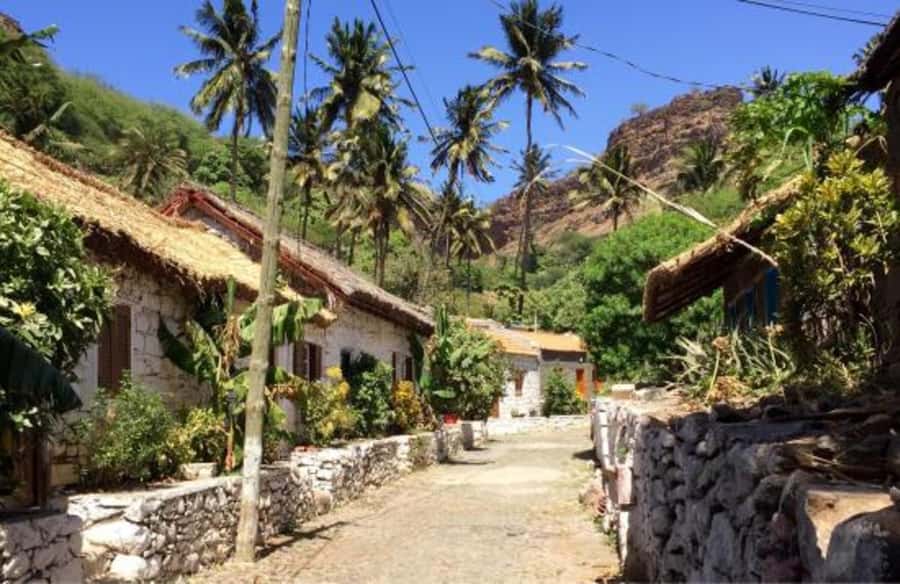
The experience begins with pickup at your accommodation. The drive to the old city takes about 20 minutes by car, which makes this a practical choice if you are staying on Santiago and want a compact cultural outing.
Included transportation matters here. You do not need to arrange a taxi to the historic site or work out how to return after the visit. The provider also brings you back to your accommodation at the end, so the tour works well for anyone who wants a straightforward half-day plan without spending time on local transport arrangements.
The drive itself is not presented as a major sightseeing segment, so keep your expectations simple. Its value is convenience. You can use that short ride to settle into the subject before arriving at the old city.
Because the group is limited to seven participants, the vehicle and guide should feel less impersonal than a large coach setup. The tour does not promise a private guide, but the small size gives you a better chance to hear the explanation clearly and ask a question when a point needs more context.
Entering Cidade Velha, Santiago Island
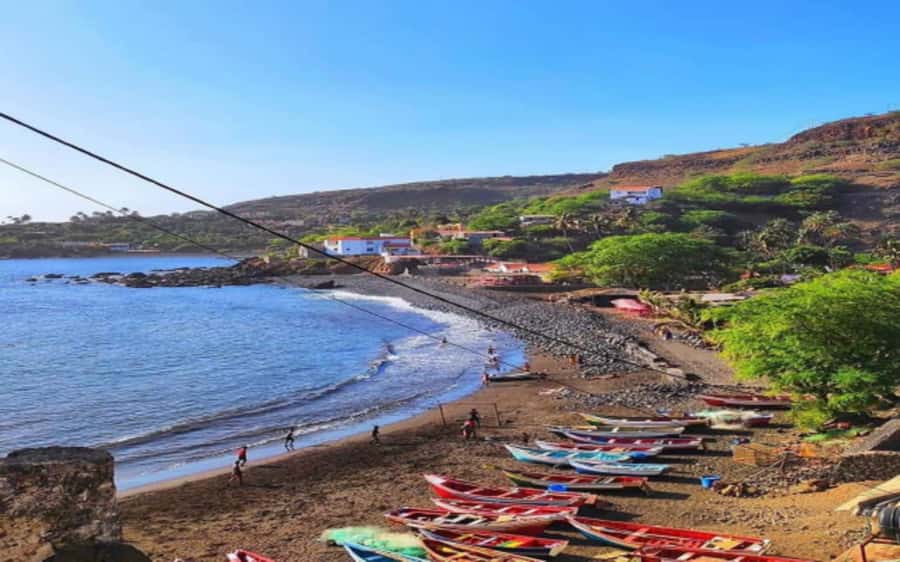
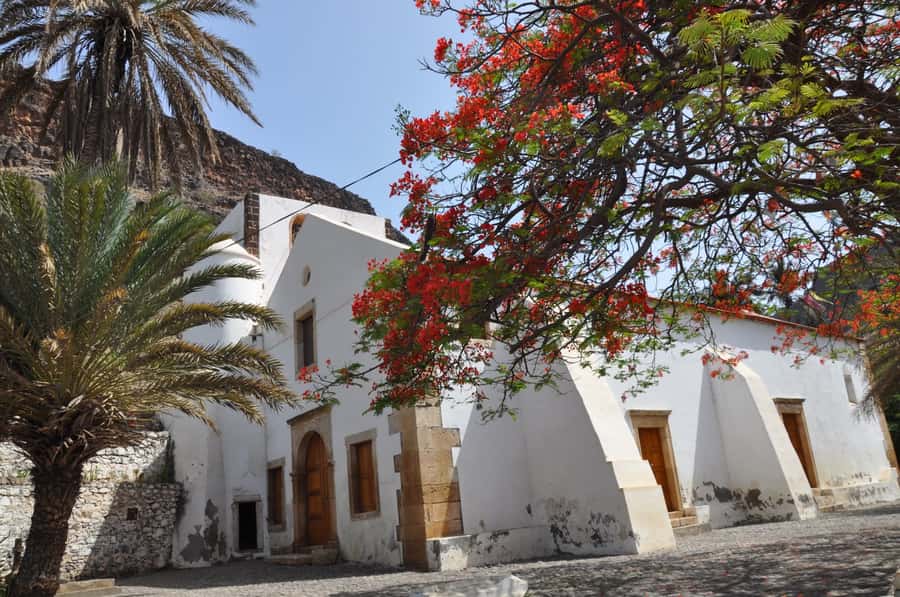
Cidade Velha is the heart of this experience. Founded by Africans and Europeans, the old city is recognized as a World Heritage site because of its importance in the slave trade and the wider period of overseas expansion that followed.
That setting gives the tour real weight. The buildings and monuments are not isolated pieces of architecture. They are evidence of a place linked to movement, forced migration, colonial power, and the creation of a new society.
The tour takes you through the old city and its main historical monuments. The exact monuments are not specified, so you should not expect a fixed list of named stops. Instead, the guide uses the surviving sites to explain the people and events connected with Cidade Velha.
This is where the quality of the guide matters most. A monument can tell you that something happened, but a good explanation helps you understand who was involved and what their contribution meant. Antonio, one of the guides associated with the experience, was praised specifically for bringing a strong historical culture to the visit. That makes his style sound especially suited to this tour’s subject.
If you enjoy learning through place, this part should be the highlight. The old city gives the discussion a physical setting. You can connect the guide’s account of African origins with the actual remains of the settlement, rather than receiving the same information in a hotel lounge or on a long drive.
African peoples and the making of a Krioulo nation
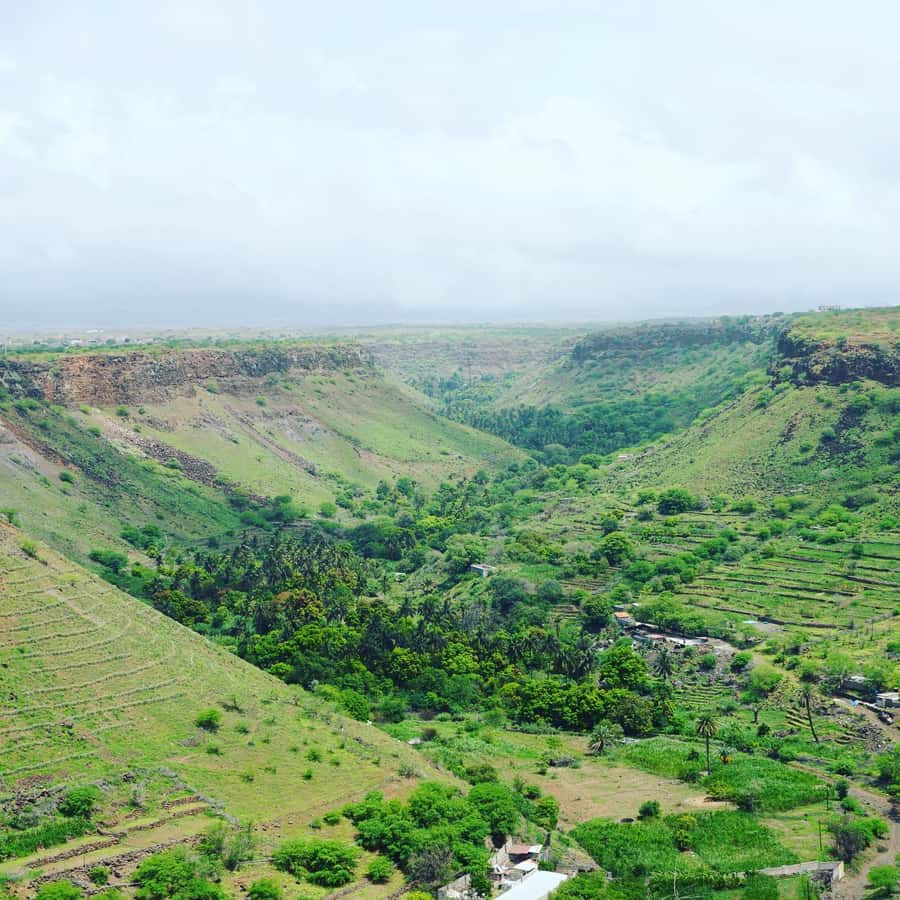
The tour’s main educational purpose is to identify the African peoples who populated Santiago. The guide discusses people brought from Senegal, Guinea-Bissau, and Gambia, and connects their presence with the formation of Cape Verdean identity.
The wording matters. This experience is not only about where people came from. It is about what happened when those communities were brought together under colonial rule and helped create something new. The tour describes that result as a Krioulo nation.
You will also explore how African influence appears in everyday culture. The guide connects it with dance, skin colors, and the Krioulu dialect spoken in Cape Verde today. These subjects make the visit more personal than a lesson focused only on dates and colonial administration.
I like the way this broadens the meaning of heritage. Culture is not just a monument or an old street. It is also language, movement, appearance, memory, and the way people describe themselves. The tour uses Cidade Velha to connect those living elements with the history of the island.
The Afrocentrist vision is the defining feature, not a small detail. If you want a tour that gives equal time to every side of Cape Verdean history, this may feel narrower than you expect. If you want to understand African contributions that are sometimes pushed into the background, the focus is a strong reason to book.
More Local Life Tours in Praia:
- Praia: Guided Historic Walking Tour & Lunch with Locals
★ 4.5 · 8 reviews - Like Locals: Banana Plantation, and Cuscuz with locals
★ 5.0 · 6 reviews - Boa Vista Reef Snorkeling in Gatas Bay / Aperitif with Locals
★ 4.4 · 46 reviews - From Tarrafal: Serra to Principal Hike & Lunch with locals
★ 4.7 · 41 reviews
What the monuments can tell you
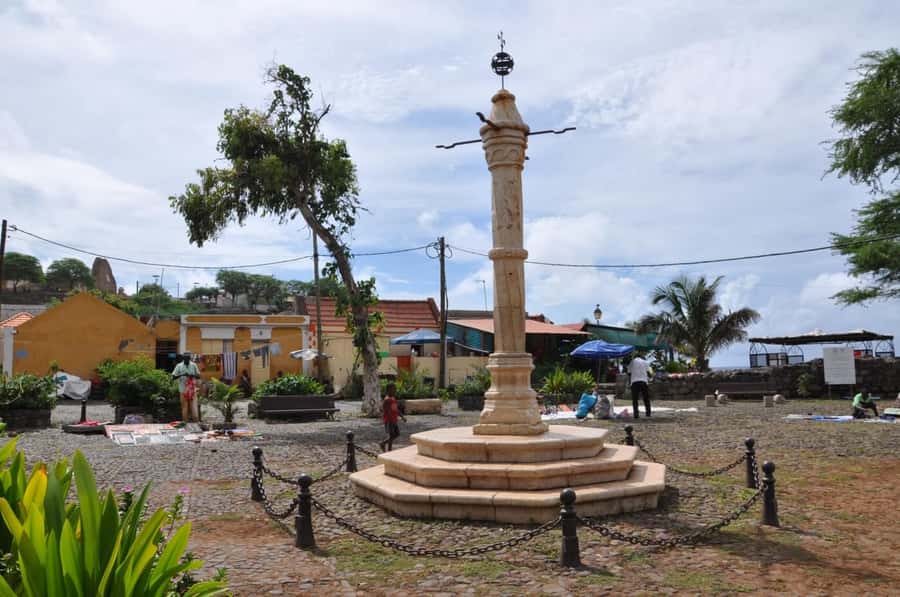
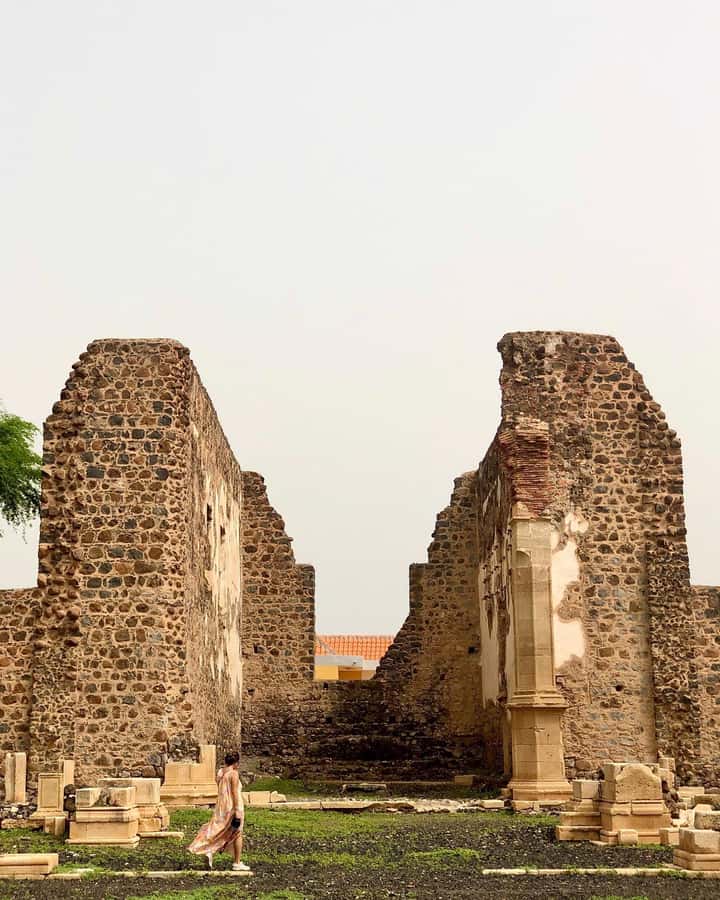
The old city’s surviving monuments testify to the contribution of Black men and women, according to the tour’s stated aim. Your guide explains how to read these places as more than reminders of European colonial activity.
Do not expect every building to tell its story by itself. The value comes from the explanation beside it. You may find that the same wall, square, or historic structure means something different once you know how African labor, migration, and cultural life shaped the city.
This also makes the tour useful for first-time visitors to Santiago. You receive a basic map of the island’s past in a compact format, and you see the place where several major strands of that past meet.
The available information does not specify whether there is extensive time inside individual monuments, nor does it list admission fees for separate sites. I would therefore treat this as a guided historical walk through the main monuments and remains, not as a museum-heavy tour with long indoor visits.
Wear practical footwear for a historic site visit, and keep your attention on the guide. The tour is short, and the experience depends on making good use of the explanation rather than wandering at leisure for several hours.
What the guide language means for your visit
Live guiding is available in Portuguese, English, and French. That is useful on Santiago, where the subject is complex enough that a language barrier could quickly flatten the story into a few simple facts.
French-speaking visitors appear to have had a particularly good fit with the experience. A French review praised the guide’s language skills and the clear explanation of Cape Verdean history. Another French-speaking participant thanked Antonio for making the morning interesting and especially useful for understanding the origins of the Capeverdean people.
The German review is also worth noting for what it reveals about the tour’s appeal. The participant praised the guide’s broad understanding of Cape Verde and its history, suggesting that the experience is not limited to a narrow site description.
The guide’s language is not the only issue. You also want a guide who can explain the subject with care. The central story involves colonialism, forced migration, and identity, so a clear and respectful presentation matters. The available feedback gives this tour strong marks on that point, with a perfect 5 rating from four reviews.
A closer look at the two-hour format
Two hours is enough to give you a focused introduction without taking over your day. You can visit Cidade Velha, hear the central historical explanation, see the main monuments, and return to your accommodation within a compact schedule.
That duration also creates a trade-off. You will need to accept a brisk pace. There may not be time for every side street, every surviving structure, or a long personal conversation at each stop.
I would choose this format if you want one strong cultural activity between other plans on Santiago. It suits a first visit, a short stay, or a morning when you want history without committing to a full-day excursion.
I would choose a longer experience if you already have a strong interest in Cape Verdean history and want extended time at the sites. The two-hour tour gives you a framework. You may still want books, museums, or additional visits to fill in the wider picture.
The short length is also helpful for mixed-interest groups. Someone who is curious about history but not ready for a full-day lecture can get a meaningful introduction. The subject is serious, but the schedule remains manageable.
Is $64 per person good value?
At $64 per person, the price is reasonable if you value a guide and door-to-door transport. You are paying for hotel pickup, the 20-minute transfer to Cidade Velha, the return trip, and live historical interpretation in a small group.
The small-group limit of seven improves the value. You are not paying for a huge sightseeing vehicle with a guide addressing a crowd. The smaller setting should make it easier to follow the story and ask questions, though the tour is not advertised as private.
The price is less compelling if you mainly want transportation to the old city. In that case, a separate taxi and independent visit might cost less, but you would lose the structured explanation that gives the monuments their meaning. The best comparison is not simply transport against transport. It is self-guided sightseeing against a guided cultural lesson with pickup and drop-off.
Free cancellation up to 24 hours before the start gives you some flexibility, and you can reserve now and pay later. Those terms are useful when your Santiago plans may shift, but the main value remains the guide’s interpretation of the African roots of Cape Verde.
Who should book this experience?

I would recommend this tour to you if you want to understand Cape Verde beyond beaches and scenery. It is especially suitable if you care about African history, colonialism, language, culture, or the way new national identities form.
It is also a good match for French, English, and Portuguese speakers who prefer a live guide. The small group will appeal to you if large coach tours feel too distant or rushed.
Families with older children may find the subject useful, but the tour deals with the history of slavery and forced migration. Consider whether that subject suits your group before booking.
You may want to skip it if you are looking for a relaxed sightseeing drive, a food tour, or a long visit focused on architecture alone. The Afrocentrist purpose is direct and specific. That is its strength, but it also means the experience is not designed to cover every part of Santiago’s past.
Should you book the Cape Verde origins tour?
Book it if you want a concise, guide-led introduction to the African roots of Cape Verde, especially if Cidade Velha is new to you. The combination of hotel transport, a maximum of seven participants, three guide languages, and a strong cultural focus makes $64 a fair price.
Go in expecting a focused two-hour visit, not an all-purpose history tour. If you want to understand how African peoples from West Africa helped shape Capeverdean culture, dance, language, and identity, this experience gives you a clear place to begin.
FAQ
Where does the tour take place?
The tour takes place on Santiago Island in Cape Verde, with the main visit in Cidade Velha.
How long is the experience?
The tour lasts two hours.
How much does the tour cost?
The listed price is $64 per person.
Is hotel pickup included?
Yes. Hotel pickup and drop-off are included.
Is transportation included?
Yes. Transportation to Cidade Velha and back to your accommodation is included.
How long is the drive to Cidade Velha?
The drive from your hotel to the old city takes about 20 minutes by car.
What is the main subject of the tour?
The tour focuses on the African origins of the Capeverdean people and the contribution of African communities to Cape Verdean culture and national identity.
Which languages are available?
Live guiding is available in Portuguese, English, and French.
How large is the group?
The tour is limited to seven participants.
Can I cancel for a refund?
Yes. You can cancel up to 24 hours in advance for a full refund. You can also reserve now and pay later.
Recently listed on Praia
- Santiago Island: Private Airport Transfer to Praia or Vice Versa★ 5.0 · 3 reviews
- Hiking Águas Belas Cave★ 4.5 · 3 reviews
- Best of Santiago Island: Cidade Velha, Workshop & Tarrafal Beach Tour★ 4.5 · 3 reviews
- Santiago island & Full Day Island★ 5.0 · 2 reviews
- Santiago Island: Trek from Serra Malagueta to Rabelados Community★ 5.0 · 2 reviews
- Tarrafal Beach Tour: Boat Trip to the Lighthouse, Snorkel & BBQ Lunch★ 5.0 · 5 reviews
- Like Locals: Banana Plantation, and Cuscuz with locals★ 5.0 · 6 reviews
- Hiking Serra Malagueta Natural Park★ 5.0 · 2 reviews
Local Life & Culture, compared.
Serra Malagueta: Principal Valley Hike & Lunch with Locals
Read our review →
Boa Vista Reef Snorkeling in Gatas Bay / Aperitif with Locals
Read our review →
ALL-INCLUSSIVE Cabrer Journey-Live a day like a Cabrer-BoaVista
Read our review →
Like Locals: Praia and Cidade Velha Tour + Local Pontxi Tasting
Read our review →
Browse the lists this tour appears in