
Reviewed · SCUBA DIVING
Double Diving in Sal Island – Half Day
Sal’s underwater world rewards certified scuba explorers. This four-hour morning outing takes you from Santa Maria to two marked sites, with a small group, an instructor in the water, and the chance to see tropical fish, coral, turtles, or even a sunken boat. I like the maximum group size of seven and the fact that hotel pickup, tanks, weights, and a belt are included. The main catch is that rental gear costs extra, and windy weather can make the boat ride rough.
I also like the range of possible sites. Sal has 24 marked locations, and visibility can reach 131 feet on a good day. Still, conditions control the final plan. You may not get a wreck or the clearest water every time, and there is no food or drink included, so bring what you need for the morning.
In This Review
- The Sal scuba trip at a glance
- A 8:10 a.m. start in Santa Maria
- Getting ready with a small professional team
- The boat briefing before the first site
- First underwater session: fish, coral, and clear water
- Surface interval and the second location
- The wreck option and Sal’s puffer fish
- What the $104.68 price really includes
- Who will get the most from this morning
- Practical booking advice before you pay
- Should you book the Sal Island two-session outing?
- FAQ
- Is this Sal Island scuba trip suitable for beginners?
- How long does the activity last?
- What time does the trip start?
- Is hotel pickup included?
- What scuba equipment is included?
- How many people can join?
- Can the trip be canceled because of weather?
The Sal scuba trip at a glance
- Two morning underwater sessions: You visit two locations during a half-day outing lasting about four hours.
- Small group attention: The outing allows no more than seven participants, giving the instructor room to guide and watch the group.
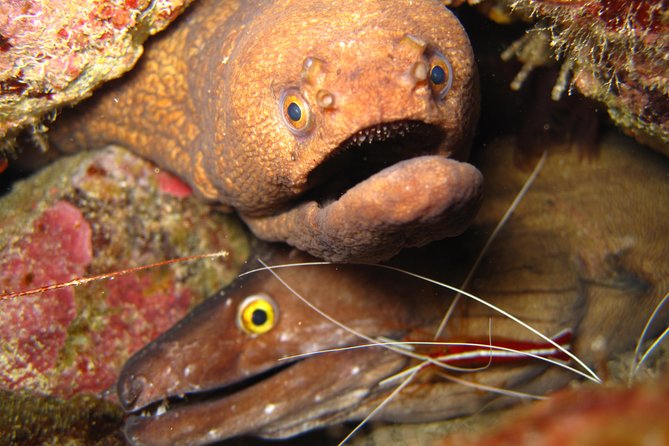
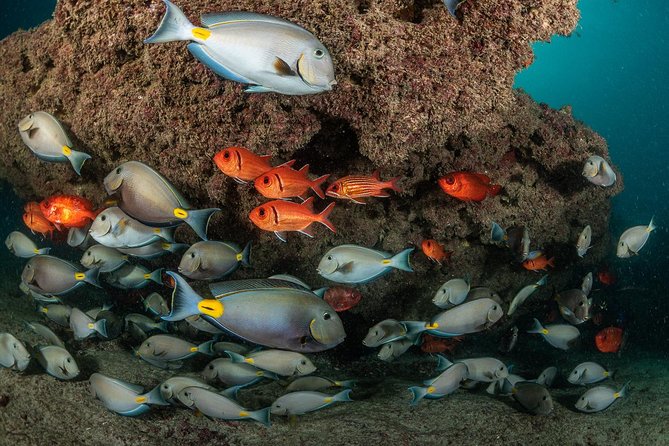
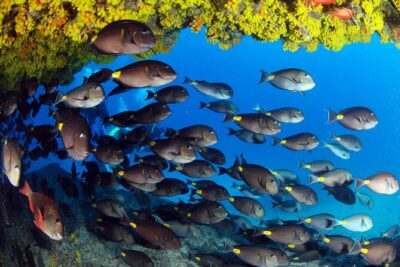
- Marine life with real variety: Expect tropical fish and coral, with the possibility of turtles, schools of puffer fish, and sunken boats.
- Visibility can be excellent: Water clarity ranges from about 33 to 131 feet, depending on conditions.
- Useful transport included: Hotel pickup and return transport are included in the price, with the Santa Maria Dive Center as the listed start and end point.
- Certified participants only: This is not a beginner try-out session. You must already hold the required certification.
A 8:10 a.m. start in Santa Maria
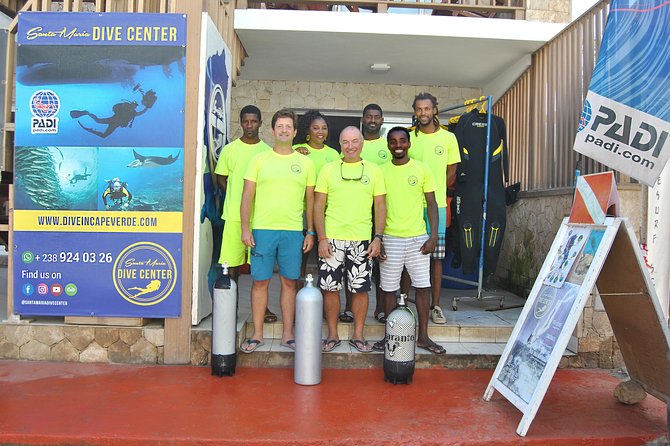
The morning begins at Santa Maria Dive Center at 8:10 a.m. Hotel pickup and return transport are included, which is helpful if you are staying away from the center or simply do not want to arrange a taxi before breakfast.
The listed duration is about four hours. That includes preparation, the boat journey, two underwater sessions, and the return to the center. It is a good fit for a half-day plan because you should still have much of the afternoon available for the beach, a meal, or another activity.
You should arrive ready to organize your equipment. The center provides tanks ranging from 12 to 15 liters, along with weights and a weight belt. Other equipment is available for an additional charge of 15 euros per session. Since this is a two-session trip, check the final equipment cost before booking if you need a full rental package.
That extra charge is easy to miss when comparing prices. The advertised cost is $104.68 per person, but your actual total can be higher if you need rental equipment. Certified scuba users who bring their own kit will get better value from the published price.
More Scuba Diving in Sal:
- Discover Scuba Diving in Sal
★ 5.0 · 182 reviews - Half-Day Diving in Sal
★ 5.0 · 135 reviews - Santa Maria: Discover Scuba Diving
★ 4.9 · 81 reviews
Getting ready with a small professional team
The center describes a full professional team organizing the morning. The instructor leads the sessions and explains the plan before you enter the water. This matters more than it may sound. A clear briefing helps you understand the site, the order of the morning, and what kind of marine life you may encounter.
The group limit is seven or fewer people. That is a useful number for a boat-based outing. You are not part of a large crowd waiting for attention, and the instructor has a better chance of noticing when someone needs help or a reminder.
Several comments about the center praise the staff for helping with equipment and giving clear instructions. Miguel is named in the center’s replies, and the personal tone suggests a hands-on operation rather than a large anonymous outfit. One particularly useful detail is the support offered to certified people who have not been underwater for a while. If you have gone 12 months without a session, tell the staff before leaving the center. A short refresher may help you feel more comfortable.
The important limit is firm: this outing is for certified scuba users only. If you have never been certified, you need the center’s separate try-out product instead. Do not book this session hoping to learn from scratch on the morning.
The boat briefing before the first site
After preparation, you head out by boat toward the selected location. The exact site is not fixed in the information provided, which is sensible in a place where wind, sea conditions, and visibility can change. The instructors choose from 24 marked sites and aim for the best option available that day.
Before the first descent, the instructor explains what you are about to see and how the session will run. That briefing is one of the strongest features of the outing. It gives you a better chance of spotting small fish and unusual details instead of simply following fins through the water.
The sea can be rough during the windy season. This is worth taking seriously if you are prone to motion sickness or do not enjoy a lively boat ride. Rougher conditions do not necessarily spoil the underwater portion, but the journey and surface time may feel less comfortable.
Bring any personal medication you normally use for motion sickness, but check with a medical professional about what is suitable for you before the trip. The supplied information does not confirm what food, drink, or other items are available on the boat, so carry water and a small snack for after the sessions.
First underwater session: fish, coral, and clear water
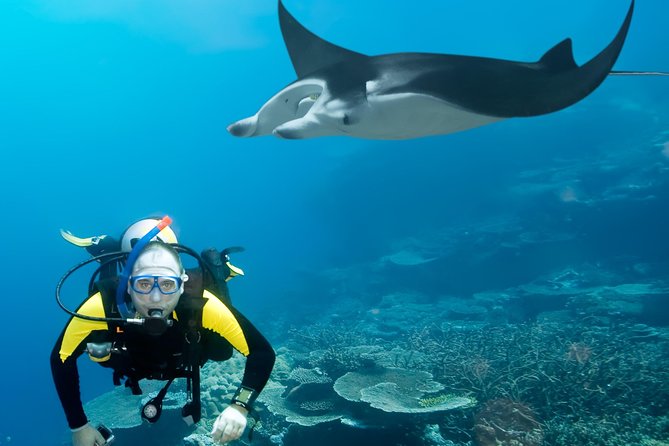
The first session gives you a chance to settle into Sal’s underwater setting. The main promise is marine life, including tropical fish and coral. Visibility ranges from 33 to 131 feet, a wide spread that reflects changing conditions rather than a guarantee.
At the lower end, 33 feet is still enough to enjoy a close look at fish and coral. At the upper end, the water can open up the site and make larger features easier to see. Your experience will depend on the day, the site selected, and the sea.
The instructor is not only there for safety. The staff are praised for pointing out fish and guiding people underwater. That makes a real difference. A guide who knows where to look can turn an ordinary patch of reef into a series of small discoveries.
Expect the pace to be shaped by the group and the site. You should follow the instructor’s directions and stay aware of your own air supply and comfort. The small group helps, but it does not turn this into a private session. You are still sharing the morning with other certified participants.
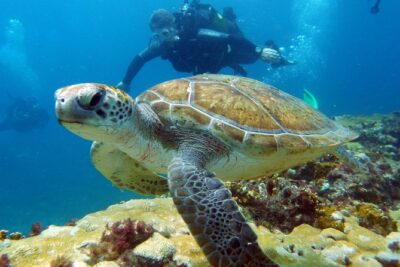
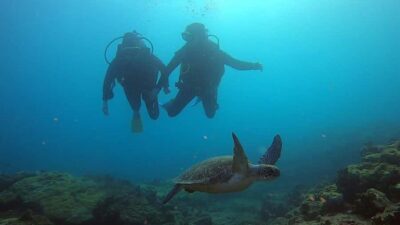
Turtles are possible. One account describes seeing turtles along with many fish, while another points to the number of different species visible during the session. These sightings are not promised, but they show the kind of wildlife that may appear.
A few more Sal trips to put side by side
- Sal: Island Experience Tour with a Certified Local Guide
★ 4.8 · 3,249 reviews - Sal: All-Inclusive Salt Lake, Blue Eye and Shark Bay Tour
★ 4.7 · 2,033 reviews - Experience on Sal Island with native and certified guide (including sharks)
★ 5.0 · 1,166 reviews - From Sal Island: Blu eye, Salt lake, Lemon Sharks & Palmeira
★ 4.6 · 1,003 reviews
Surface interval and the second location
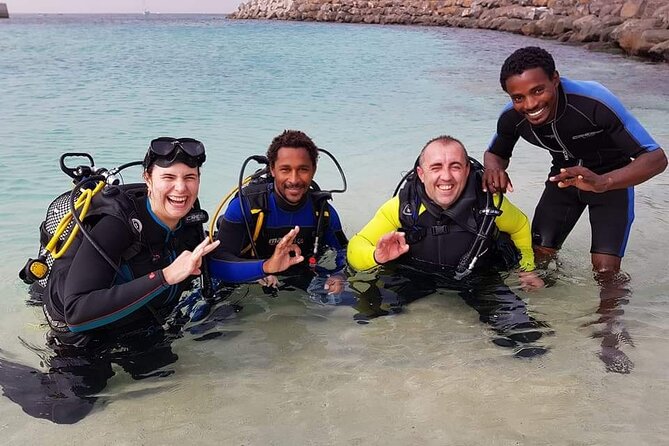
The two-session format gives you a break between visits to the water. The supplied information does not state the exact length of the surface interval, so the morning’s timing may change according to the site, conditions, and the group.
This pause is useful for more than catching your breath. It lets you talk with the instructor, review what you saw, and prepare for the next location. If you want help with equipment or feel uncertain after the first session, speak up before the second one.
The second location may offer a different character from the first. Sal’s 24 marked sites include reef areas and sunken boats, and the plan may include a wreck if conditions and the day’s schedule allow it. Do not treat the wreck as guaranteed, though. The outing promises access to Sal’s sites, not one fixed underwater attraction.
A second session also gives you a better chance to see something you missed earlier. Fish may gather in a different setting, and you will have a better sense of how the instructor signals and moves. If the first session is mostly about getting your rhythm back, the second can feel more relaxed.
The wreck option and Sal’s puffer fish
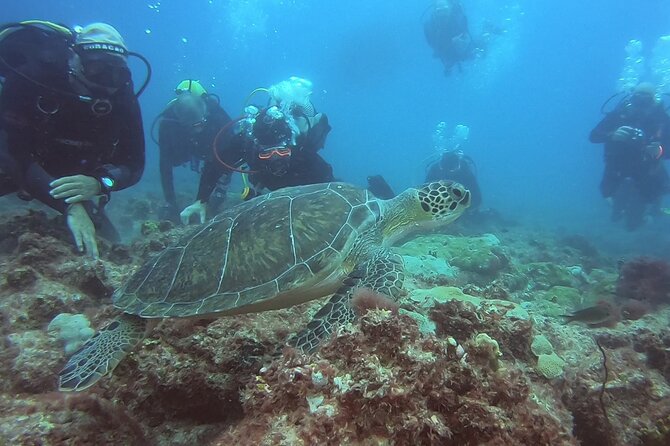
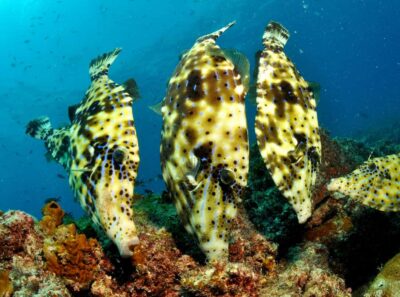
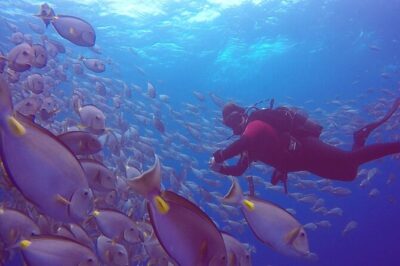
The sunken boats are the most distinctive possible feature of this trip. A wreck gives you a strong focal point, with an unusual structure for fish to gather around. One account describes a wreck surrounded by hundreds of puffer fish in schools. That is a memorable sight, especially for anyone who has already seen common reef fish and wants something less predictable.
You should keep expectations sensible. The boat choice depends on conditions and the instructor’s plan, so the wreck is an option rather than a fixed stop. If it is important to you, ask the center before departure how likely it is to be included that day.
Puffer fish are not the only attraction. The water around Sal can include coral, tropical fish, and turtles. The guide’s ability to point out wildlife is valuable here because some creatures are easy to overlook without local experience.
The wreck may also appeal to photographers, but the information supplied does not confirm whether photography equipment, guides dedicated to photography, or camera support are available. Ask before assuming your camera needs will be met.
What the $104.68 price really includes
At $104.68 per person, the price is reasonable for a four-hour, two-session program if you need transport and basic scuba supplies. Hotel pickup and return remove a separate transport expense, and tanks, weights, and a belt are already covered.
The value changes if you need a full set of equipment. Rental gear costs 15 euros per session, so a person needing equipment for both sessions should budget for two rental charges. Ask exactly what that fee covers. The included list names tanks, weights, and a belt, but it does not say that a wetsuit, mask, fins, regulator, or buoyancy jacket are included in the base amount.
There is no food or drink in the price. Since the outing begins early and lasts about four hours, eat beforehand if that suits you, and carry water for after the sessions.
For certified users who own most of their equipment, the arrangement is attractive. You receive transport, a small group, two instructor-led sessions, tanks, and weights without paying for a full-day program. For someone hiring every piece of equipment, the final price needs closer checking.
The rating is 4.8 from 38 reviews, with 95 percent recommending the experience. Those figures point to a strong level of satisfaction, particularly with staff support and the quality of the underwater encounters. They do not remove the practical issues of weather, extra rental costs, and changing site conditions.
Who will get the most from this morning
I would choose this outing if you are already certified and want two sessions without giving up an entire day. It suits people who value a small group and direct help with equipment and underwater navigation.
It is also a good choice if you have not been underwater recently. The staff have helped returning scuba users refresh their skills and get comfortable again. Be honest about your experience level, especially if your last session was a long time ago.
You may prefer another option if you are a complete beginner. This outing does not teach first-time participants. The center offers a separate try-out product, which is the proper route for someone without certification.
You should also think carefully about sea conditions. Sal can be windy, and rough water may make the boat journey unpleasant. If you are visiting during a windy period, keep your schedule flexible and do not place an important afternoon appointment too close to the return time.
Practical booking advice before you pay
The experience is often booked about 25 days ahead. That is a useful signal for planning, particularly if your dates in Sal are fixed. The maximum group size is seven, so popular mornings may fill before the last minute.
Confirmation is provided at booking. The meeting point is Santa Maria Dive Center, and the activity ends back there after the return transfer. Hotel pickup is included, but confirm the pickup details with the center if your accommodation is outside the usual service area.
Free cancellation is available up to 24 hours before the local start time for a full refund. Changes or cancellations inside that 24-hour window are not accepted for a refund. Poor weather is handled differently: if the center cancels, you can choose another date or receive a full refund.
The trip is listed as near public transportation, and most certified participants can take part. No separate accessibility details are supplied, so contact the center directly if you have mobility needs or require special assistance with the boat or equipment.
Should you book the Sal Island two-session outing?
Book it if you are certified, want a compact morning program, and value personal attention over a large boat operation. The small group, included hotel transport, instructor guidance, and chance to see turtles or a wreck make the price appealing, especially if you already own most of your equipment.
Think twice if you need a guaranteed wreck, dislike rough boat conditions, or expect every piece of equipment and refreshments to be included. Ask about the selected sites and the full rental cost before you commit.
For a certified scuba user looking for a practical introduction to Sal’s marked sites, I would put this near the top of the list. Just leave room for changing weather and let the instructor choose the safest, most rewarding locations on the day.
FAQ
Is this Sal Island scuba trip suitable for beginners?
No. This experience is for certified scuba users only. First-time participants should book the center’s separate try-out session.
How long does the activity last?
The outing lasts about four hours and includes two morning underwater sessions.
What time does the trip start?
The listed start time is 8:10 a.m. at Santa Maria Dive Center.
Is hotel pickup included?
Yes. Hotel pickup and return transport are included in the price.
What scuba equipment is included?
Tanks ranging from 12 to 15 liters, weights, and a weight belt are included. Other equipment rental costs 15 euros per session.
How many people can join?
The group is limited to a maximum of seven participants.
Can the trip be canceled because of weather?
Yes. The experience requires good weather. If poor weather causes cancellation, you can choose another date or receive a full refund.
Recently listed on Sal
- Windsurf Lessons★ 5.0 · 2 reviews
- Secrets of Sal Island 4×4 Tour with Pedra da Lume Salt Lake★ 4.5 · 6 reviews
- Turtle Experience in Sal island★ 4.0 · 5 reviews
- Private Sal island: Pedra de Lume Village, Salt Lake & Shark Tour★ 5.0 · 2 reviews
- Sal island: Private Santa Maria City Tour, Street Art and Tapas★ 5.0 · 6 reviews
- Sal Island All-inclusive Adults-only Catamaran Cruise★ 5.0 · 3 reviews
- Sal Island: Guided Full-Day Highlights Tour with Lunch★ 5.0 · 5 reviews
- 4×4 Off Road Full-Day Private Tour – Sal Island Hidden Secrets★ 5.0 · 3 reviews
Scuba Diving, compared.
Browse the lists this tour appears in